


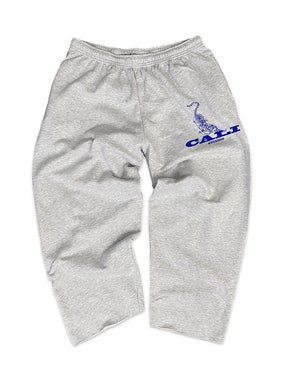


Last Updated: October 30, 2026
Quick Summary
Joggers keep white sneakers clean by avoiding cuff drag and dye transfer. Brush off dirt after each wear, wipe the uppers with a dry cloth, and test new dark joggers for loose dye before pairing them with white shoes.
- Joggers drag grit from the cuff across the upper and sole with every step.
- Wipe the inside of new dark joggers' cuffs with a dry white cloth to check for loose dye.
- Mix roughly one teaspoon of mild soap into 250 ml of warm water for most non-suede uppers.
- Never dry wet sneakers on a radiator or in a tumble dryer; stuff them with paper at room temperature.
- Brush soles and toes and wipe the uppers after every outing to stop grit working into the material.
Table of Contents
- Why Joggers Put Your White Sneakers at Risk
- How to Clean White Running Shoes Before They Get Dirty
- Stopping Dye Transfer and Cuff Drag Between Joggers and Sneakers
- Best Cleaner for White Sneakers and How to Use It
- How to Remove Scuff Marks from White Shoes
- How to Protect White Sneakers and Keep Them Clean
- Your Quick After-Wear Routine Before Your Next Jogger Outfit
- Frequently Asked Questions
Why Joggers Put Your White Sneakers at Risk
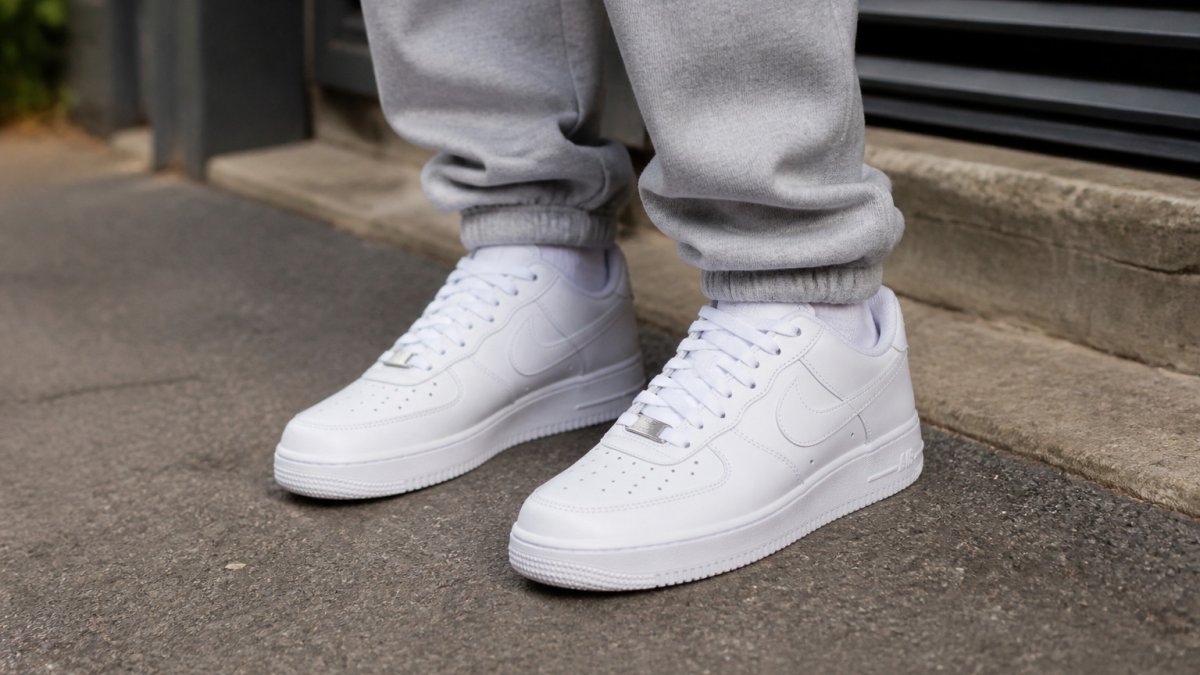
Joggers hang low over the shoe. The cuff sits right where dirt, grit and wet pavement collect. See how cuffs and hems sit over footwear in full outfits. Every step drags that cuff across the upper and the sole, so the sneaker picks up marks it would never get from straight-leg trousers.
Dye is the bigger hidden risk. Heavier cotton joggers, especially dark or washed colours, can shed loose dye when they get damp. That dye transfers onto white leather and rubber, and it looks like a dirty mark that no amount of brushing will remove.
- Cuffs pick up grit and drag it onto the upper
- Damp dark fabric can release dye onto white midsoles
- Wet weather speeds up both problems
We recommend checking your joggers for loose dye before your first wear, especially with new pairs.
How to Clean White Running Shoes Before They Get Dirty
Cleaning before the dirt sets is the easiest way to protect white sneakers. Dry grime brushes off in seconds. Wet grime needs far more work.
Start with a soft brush or an old toothbrush. Knock off loose dirt from the soles and the toe box, then wipe the uppers with a clean, dry cloth. Do this after every few wears, not just when the shoes look rough.
Keep a simple routine:
- Brush off loose dirt after each outdoor wear
- Wipe the uppers with a dry cloth
- Check the soles for embedded grit
Watch out: do not leave wet sneakers in a closed bag. Damp conditions let dye and dirt settle deeper into the material.
Stopping Dye Transfer and Cuff Drag Between Joggers and Sneakers
Two small habits stop most of the damage: choosing the right jogger length and testing new joggers before you wear them with white shoes.
Choosing the Right Jogger Length and Cuff
A cuff that sits just above the ankle, rather than pooling over the shoe, reduces drag. Our SPORT Joggers have a relaxed baggy fit with a cuffed ankle. Browse relaxed-fit tees that pair well with joggers and sit cleanly over the sneaker.
Preventing Dye Transfer on New Joggers
Before wearing new dark or washed joggers with white sneakers, wipe the inside of the cuff with a dry white cloth. If the cloth picks up colour, wait until the dye settles before wearing them with light shoes. Our Heavy Sweat Pants - Washed Black are made from a cotton-poly blend, and washed colours can vary slightly.
Best Cleaner for White Sneakers and How to Use It
A single soap-and-water method will not suit every white sneaker. Leather, mesh, knit and suede each react differently to water, agitation and cleaning agents, and using the wrong approach can set stains or damage the finish. The table below summarises the safest starting point for each common upper material, followed by the method for each.
| Upper material | Best cleaner | Water exposure | Brush type | Key risk |
|---|---|---|---|---|
| Leather | pH-neutral leather cleaner or mild soap | Minimal, damp cloth only | Soft cloth or very soft brush | Soaking softens leather and can cause cracking |
| Canvas | Mild soap and warm water | Moderate, brief soaking is fine | Soft brush or toothbrush | Over-wetting can shrink or yellow the fabric |
| Mesh | Mild soap, low-foam | Minimal, dab, do not soak | Soft brush | Aggitation can fray the mesh |
| Knit | Mild soap, low-foam | Minimal | Soft brush | Rubbing can pill the surface |
| Suede | Suede brush and eraser only | Avoid water | Suede brush | Water stains suede permanently |
Leather and synthetic leather
Mix a few drops of mild soap into a small bowl of warm water, roughly one teaspoon of soap to 250 ml of water is a common starting ratio. Dampen a soft cloth, wring it out so it is barely wet, and wipe the upper in small circles. Wipe off the soap residue with a clean damp cloth, then dry immediately with a dry towel. Do not soak leather; trapped moisture softens the material and can lead to cracking or a dull finish over time.
Canvas
Canvas tolerates more water than leather. Dip a soft brush or an old toothbrush into the soap mix and scrub the upper gently, working from the toe box towards the heel. Rinse the brush and wipe the surface with a clean damp cloth to lift the soap. Avoid soaking the shoe for long periods, trapped water can loosen the glue around the sole and, on some canvas, leave a yellow tide mark as it dries.
Mesh and knit
Mesh and knit are the easiest materials to damage through over-scrubbing. Use a low-foam soap mix and a soft brush, and dab rather than scrub. Work in small sections and blot with a dry cloth as you go. Do not saturate the upper; water that sits in the mesh can take a long time to dry and may carry dirt deeper into the weave.
Suede
Suede should not be cleaned with soap and water. Use a suede brush to lift dry dirt and a suede eraser for marks. If the suede is wet, let it dry naturally away from heat, then brush the nap back up. Water on suede can leave a permanent stain, so prevention matters more than cleaning.
After cleaning, let the shoes air dry away from direct heat. Do not put them on a radiator or in a tumble dryer, heat can set stains and warp the sole.
How to Remove Scuff Marks from White Shoes
Scuffs from pavement or cuffs usually come off with gentle scrubbing. Dab the mark with a damp cloth first, then work the cleaning mix in small circles with a soft brush.
Stubborn marks may need a second round. Keep the pressure light. Hard scrubbing can roughen leather and wear away the surface finish.
How to Protect White Sneakers and Keep Them Clean
Protection is where jogger wearers can gain the most, because the main threats, dye transfer from dark cuffs and grit dragged across the upper, are predictable and largely preventable. The routine below focuses on the interaction between joggers and white sneakers rather than general shoe care.
Stop dye transfer before it starts
New dark or washed joggers are the highest risk. Before the first wear with white sneakers, wipe the inside of the cuff with a dry white cloth. If the cloth picks up colour, the dye is still loose. Check the care label before washing, and repeat the cloth test before pairing them with white shoes.
Manage cuff contact
A cuff that pools over the shoe drags grit across the upper with every step. Aim for a cuff that sits just above the ankle bone or rests lightly on the shoe without folding. If you prefer a baggy fit, choose a style with a cuffed ankle rather than an open hem.
Dry shoes properly after wet wear
If your sneakers get wet, from rain, puddles or a damp cuff, dry them at room temperature, away from radiators, direct sun and tumble dryers. Stuff the shoes loosely with newspaper or plain paper towels to draw out moisture and hold their shape, and change the paper once it feels damp. Heat is the enemy: it can yellow white rubber, warp the sole and set any dye or dirt that is already on the surface.
Do not store damp sneakers in a sealed box or bag. Trapped moisture lets dye and dirt settle deeper into the material and can encourage odour. A breathable shoe bag or an open shelf is better.
Rotate and spot-check
After each jogger outfit, spend a minute checking the heel collar, the midsole and the toe box, the three areas where cuff contact and ground grit do the most damage. A quick brush and wipe now is far easier than a deep clean later.
Your Quick After-Wear Routine Before Your Next Jogger Outfit
After each wear, follow this short routine:
- Brush loose dirt off the soles and toes
- Wipe the uppers with a dry cloth
- Check the jogger cuffs for grit or dye
- Let the shoes air dry if they got wet
Five minutes after each outing keeps white sneakers looking sharp for much longer.
Frequently Asked Questions
How do you clean white running shoes?
Start by brushing off loose dirt with a soft brush or old toothbrush so the grime does not smear when wet. Mix a few drops of mild soap into warm water, dip a soft cloth, and gently scrub the uppers and soles in small circles. Wipe away suds with a damp cloth, then let the shoes air dry away from direct heat. Avoid harsh bleach on synthetic panels, as it can yellow the material over time.
How can you stop joggers from rubbing against white sneakers?
Choose joggers with a cuffed or tapered ankle so the hem sits above the shoe rather than dragging across the upper. Roll or pull up the cuff before walking in wet or muddy areas. If your joggers are new, wash them separately a few times first, because loose dye can transfer onto white leather and mesh. Check the sneaker after each wear and wipe any marks straight away.
How often should you clean white sneakers?
Brush off dirt after every few wears and do a full clean whenever the uppers or soles look grey or stained. Frequent light cleaning stops grime building into the material, which makes stains harder to lift later. Treat them more often in winter or after wet weather, when mud and salt are more likely to settle on the surface.
Does a protective spray help keep white shoes white?
A water and stain repellent spray can make it easier to wipe off mud and spills, but it does not make shoes stain-proof. Apply it to clean, dry shoes in a well-ventilated space, following the product instructions, and reapply as directed. Regular cleaning still matters more than any spray.

