




Table of Contents
- The Three-Layer Rule for Streetwear (Base, Mid, Outer)
- Best Streetwear Hoodies for Layering
- Choosing Fabrics for Autumn: Technical vs. Natural
- How to Style Oversized Joggers Without Looking Bulky
- Autumn Streetwear Outfit Ideas for Unpredictable Weather
- Temperature-Based Layering Guide
- Budget-Friendly Layering Hacks
- Common Mistakes to Avoid When Layering Streetwear
- Frequently Asked Questions
Last Updated: September 17, 2026
The Three-Layer Rule for Streetwear (Base, Mid, Outer)
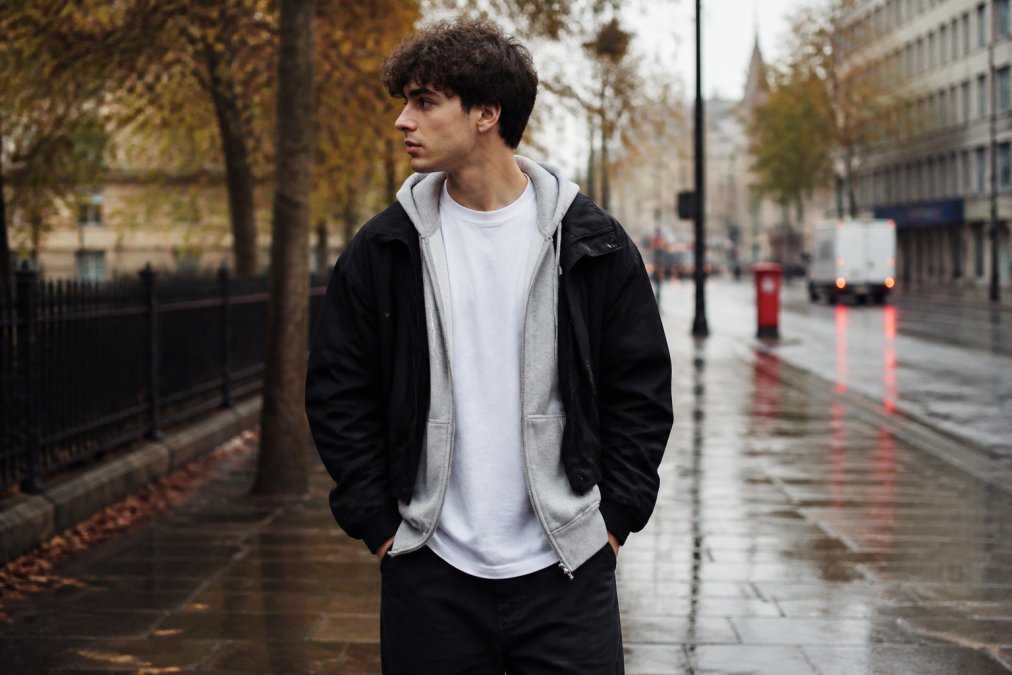
Learning how to layer streetwear for autumn weather starts with one simple system for how to layer streetwear. The three-layer rule splits your outfit into a base layer, a mid layer, and outerwear. Each one does a different job, and together they keep you warm without bulk.
Here is how the system breaks down:
- Base layer: sits against your skin and manages sweat
- Mid layer: traps heat and adds texture
- Outer layer: blocks wind and rain
Base Layer: Moisture-Wicking and Breathable
The base layer is the piece most people skip, and it is the one that matters most. A good base layer moves sweat away from your skin so you stay dry when you move between a warm bus and a cold street.
Mid Layer: Insulation Without Bulk
The mid layer is your hoodie, your knitwear, or your flannel. This is where warmth comes from, and where your outfit starts to look like something.
Outer Layer: Weather Protection That Fits the Aesthetic
The outer layer is your shield, and it should not ruin the fit underneath. A trench coat, a technical shell, or a gilet all work if the cut is right.
Best Streetwear Hoodies for Layering
The best hoodies for layering are heavy, boxy, and built with a proper hood. Weight matters because a thin hoodie shows every crease once you add a jacket over it.
A few things to look for:
- GSM weight of 400 and up for real warmth
- Drop shoulders so the fabric falls instead of pulling
- Double-fabric hoods that hold their shape
- Brushed inner fleece for softness against the skin
Choosing Fabrics for Autumn: Technical vs. Natural
Autumn in the UK is wet, mild, and unpredictable. That mix decides which fabrics earn their place in your rotation, and it is why a streetwear layering system behaves differently from a general fashion one.
| Layer | Best Fabric Type | Why It Works | Streetwear Example |
|---|---|---|---|
| Base | Technical blend (polyester/elastane) | Wicks sweat, dries fast, sits flat under a hoodie | Moisture-wicking tee or long-sleeve |
| Mid | Cotton-poly blend, 400-600GSM | Warm, holds shape, resists pilling | Heavy hoodie, boxy crew, flannel overshirt |
| Outer | Technical shell (ripstop, 2.5-layer laminate) | Blocks wind and rain, packs down | Packable coach jacket, technical gilet |
Why GSM Matters More Than Fabric Name
GSM (grams per square metre) is the single most useful number on a streetwear label, and most guides ignore it. It tells you how much fabric weight you are adding to the layer.
- Under 300GSM: light tee or overshirt. Works as a base or a summer mid layer.
- 300-400GSM: midweight hoodie or crew. Good for 10-14°C as a standalone mid.
- 400-500GSM: heavy hoodie. The sweet spot for layering under a shell without bulk.
- 500-600GSM: premium heavy fleece. Warm enough to be the only mid layer on most autumn days.
- 600GSM+: very heavy. Best worn as an outer layer in dry cold, or as a mid only under a loose shell.
Breathability vs. Water Resistance
These two properties pull against each other. A fully waterproof shell traps sweat; a fully breathable shell lets rain in. For autumn streetwear, the practical answer is a water-resistant shell (often rated in millimetres of hydrostatic head, with 5,000mm being a common light-rain benchmark) paired with a moisture-wicking base. That combination handles a damp commute without turning into a sauna on the bus.
Pilling, Shape Retention, and Wash Life
Heavier cotton blends resist pilling better than thin knits, which matters if you wear the same hoodie three days a week. Two practical rules:
- Wash heavy fleece inside out, cold, and air dry. Heat is what shrinks cotton-poly and breaks down the brushed inner face.
- Avoid fabric softener on technical pieces. It coats the fibres and reduces wicking performance over time.
How to Style Oversized Joggers Without Looking Bulky
Oversized joggers look bulky when the top and bottom are both wide and shapeless. The fix is proportion, not sizing down.
Balance the volume with these moves:
- Pick one wide piece. If the joggers are baggy, keep the top closer to regular fit.
- Show the ankle. A slight crop or a clean cuff breaks up the fabric and adds length.
- Match your shoe to the taper. Chunky trainers suit wide joggers. Slim shoes get lost.
- Use textural contrast. A smooth jogger with a brushed fleece hoodie reads sharper than two matte fabrics.
Autumn Streetwear Outfit Ideas for Unpredictable Weather
Unpredictable weather rewards outfits that change as fast as the sky. Build each look around layers you can add or remove in seconds.
- Cold morning, mild afternoon: Base tee, 600GSM hoodie, packable shell you can carry
- Wet commute: Technical base layer, Heavy Hoodie in Washed Black, and a water-resistant jacket
- Dry but cold: Graphic tee, flannel, and a denim jacket
- Skate session: Zip hoodie over a tee, so you can open up when you warm through
Temperature-Based Layering Guide
Temperature decides how many layers you actually need, but the number on your weather app is only half the story. Wind and rain change the effective temperature, and streetwear layers behave differently from tailored ones because they are cut looser and worn open more often.


| Temperature | Layers | Streetwear Build |
|---|---|---|
| 18°C and above | 1 | Graphic tee or light overshirt, worn open |
| 15-17°C | 1-2 | Tee plus unzipped hoodie or flannel |
| 10-14°C | 2 | Tee plus 400-500GSM hoodie |
| 5-9°C | 3 | Technical base, 500-600GSM hoodie, light shell or gilet |
| 0-4°C | 3+ | Base, heavy hoodie, insulated coat or padded jacket |
| Below 0°C | 3+ | Base, heavy hoodie, insulated coat, plus hat and gloves |
How Wind Changes the Maths
Wind strips heat from exposed skin and from the surface of your outer layer. A 10°C day with strong wind can feel closer to 5°C, so add the outer layer even when the number looks mild. The practical rule: if the wind is strong enough to move your hood, you need a wind-blocking shell, not just a hoodie.
How Rain Changes the Maths
A wet 8°C is colder than a dry 4°C, because damp fabric pulls heat from your skin. That is when technical fabrics earn their keep. Two specific behaviours matter:
- Cotton holds water and loses insulation when wet. A soaked hoodie is worse than no hoodie.
- A water-resistant shell over a dry mid layer keeps the mid layer dry, which preserves its warmth.
The Zip Advantage at Every Temperature
A zip mid layer beats a pullover on any day where the temperature swings more than a few degrees. A two-way zip lets you open the bottom for airflow on a warm afternoon and keep the top closed against wind. That single feature covers the 5-14°C range better than any fixed-weight pullover.
Budget-Friendly Layering Hacks
You do not need a full new wardrobe to layer well. A few smart moves stretch what you already own.
- Shop your own closet first. A summer tee becomes a base layer. A light overshirt becomes a mid layer.
- Buy one heavy piece, not three thin ones. A single 600GSM hoodie outlasts and outperforms three cheap ones.
- Use a gilet. It adds core warmth without sleeves, so it fits under almost any jacket.
- Layer socks. Two pairs of thin socks beat one thick pair for warmth and fit.
- Look for end-of-season sales. Autumn stock drops in price as winter lines land.
Do not buy a cheap hoodie purely to save money. Thin fabric pills after a few washes, loses its shape, and shows every crease under a jacket. You end up replacing it twice a season, which costs more than one good piece.
Common Mistakes to Avoid When Layering Streetwear
Most layering problems come down to a handful of repeat mistakes. Fix these and your outfits improve straight away.
- Wearing cotton as a base layer. It holds sweat and gets cold. Switch to a technical blend.
- Sizing up on every layer. Two oversized pieces fight each other and kill the silhouette.
- Ignoring the hood. A floppy hood ruins the line of any jacket over it.
- Skipping the base layer. It feels like a small detail. It is the layer that keeps you dry.
- Wearing the same weight all day. Autumn swings from cold to mild. Build in a layer you can remove.
Frequently Asked Questions
What are the best fabrics for autumn streetwear layering?
Look for moisture-wicking synthetics or merino wool for your base layer to keep sweat off your skin. For mid layers, cotton-poly blends like those in Cali Studios hoodies (500-600GSM) provide warmth without bulk. Outer layers should be wind-resistant and water-repellent, such as a technical shell or a treated cotton jacket. Avoid pure cotton next to skin if you plan to be active, as it holds moisture and gets cold.
How do you layer oversized hoodies without looking bulky?
Balance proportions by pairing an oversized hoodie with slimmer joggers or tapered trousers. Choose hoodies with a boxy, drop-shoulder fit like Cali Studios' 600GSM Heavy Hoodie, which drapes cleanly rather than adding volume. Keep inner layers thin, such as a lightweight tee, and avoid thick fleece underneath. A longer outer coat can also streamline the silhouette.
Can you wear shorts in autumn streetwear outfits?
Yes, but layer smartly. Opt for knee-length shorts in heavier fabrics like denim or technical nylon, and pair them with high socks and chunky trainers. Add a hoodie and a lightweight jacket on top. This works best in early autumn or mild days (10-15°C). For colder days, swap shorts for joggers or cargo pants to stay warm without sacrificing style.
How do you transition summer streetwear into autumn?
Start by adding a mid layer to your summer staples. Throw a hoodie over your graphic tee, swap shorts for joggers, and add a light jacket like a denim or coach jacket. Choose breathable fabrics so you can remove layers as temperatures fluctuate. Accessories like a beanie or scarf can add warmth and style without committing to a full winter outfit.
Autumn weather changes fast, and your wardrobe should keep up. Cali Studios builds contemporary men's streetwear in oversized and regular fits, so you can layer without losing your shape. Our hoodies use heavy cotton-poly blends with double-fabric hoods and brushed fleece, built to sit under a jacket and still look right on their own. Start with one heavy hoodie and build your layers around it. Get started with Cali Studios and find the pieces that carry you through the season.
