




Table of Contents
- Why Expensive Streetwear Commands Higher Prices
- How to Spot Quality Streetwear Beyond the Price Tag
- Oversized Streetwear Brands: What Sets Premium Options Apart
- Calculating Cost-Per-Wear: The Real Value Metric
- Is Luxury Streetwear Worth the Investment for Everyday Wear
- Hype Versus Intrinsic Value: Separating Perception from Reality
- Resale Value and Long-Term Durability
- Frequently Asked Questions
Last Updated: September 2, 2026
Why Expensive Streetwear Commands Higher Prices
Understanding what drives streetwear costs separates informed choices from impulse purchases. The difference between a £50 hoodie and one at £100 isn't just brand name, it's a combination of tangible factors affecting durability and performance.
Material quality and fabric composition
Premium streetwear starts with better raw materials. A 600GSM cotton-poly blend, like Cali Studios' Heavy Zip Hoodie, performs differently than lightweight alternatives. Higher GSM (grams per square metre) means denser fabric that resists pilling, holds its shape through repeated washing, and maintains colour vibrancy longer.

Fibre composition matters equally. Pure cotton breathes better but shrinks more easily. Polyester blends add durability and reduce shrinkage; the ratio determines the final feel. Brushed inner fleece, standard on quality hoodies, adds softness, whereas cheaper alternatives flatten within weeks.
Premium fabric suppliers maintain stricter quality controls and charge more for reliability. This upstream cost directly translates to retail price.
Manufacturing and labour costs
Construction quality requires skilled labour. A double-layered hood with reinforced stitching takes longer to produce than a single-layer alternative. Neck taping, which prevents collar stretching, is a separate process adding time and expense.
Two-way zips, reinforced pocket construction, and oversized fits with dropped shoulders all require additional steps. Ethical manufacturing practices, safe working conditions, reasonable hours, fair wages, increase costs further. Premium brands often maintain long-term factory relationships, which costs more than rotating between the cheapest producers.
Brand equity and exclusivity
A brand's reputation is built over years. When you pay more for an established streetwear brand, you're partly paying for assurance that the product matches its promise. Unknown brands must price lower to gain market share, while established names command premiums because consumers trust them.
Limited edition releases amplify this effect. Scarcity creates demand; smaller production quantities increase perceived value.
Cali Studios occupies a different position. As a contemporary streetwear brand focused on quality fundamentals rather than chasing hype, pricing reflects material and construction excellence without the exclusivity markup. You're paying for substance, premium fabrics, thoughtful design, and durable construction, rather than artificial scarcity.
How to Spot Quality Streetwear Beyond the Price Tag
Price alone doesn't guarantee quality. Learning to evaluate construction, fabric, and authenticity yourself removes guesswork and protects you from overpaying for hype.
Examining construction and stitching
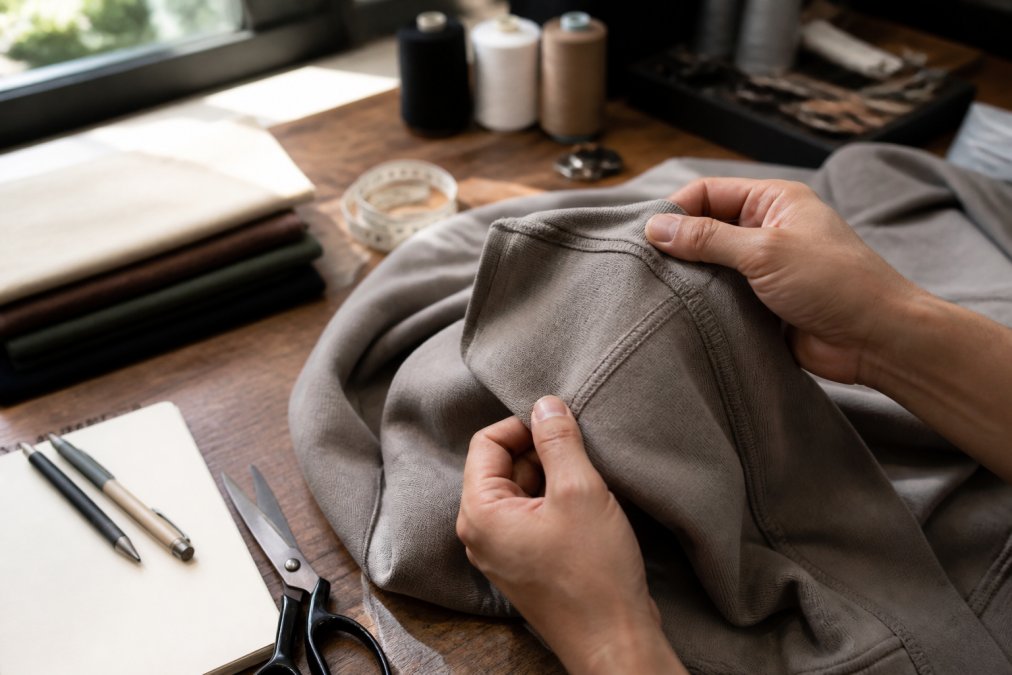
Seams tell the story. Quality stitching feels smooth and even, with no loose threads or gaps. Stitches should be tight and consistent, typically 8-10 stitches per inch. Loose or irregular stitching signals rushed production and premature failure.
Check the hems. Quality hoodies have reinforced hems that won't unravel after washing. Look at cuff finishing, is it single-fold or double-stitched? Double stitching prevents the cuff from peeling away.
Inspect seams under stress: armholes, shoulder seams, and pocket openings. These areas experience the most movement. Quality brands reinforce these zones with extra thread or double-stitching.
Premium zips (often YKK) move smoothly and feel substantial. Cheap zips snag easily and separate from fabric. Two-way zips, which open from both ends, are a premium feature adding functionality and cost.
Checking fabric weight and durability markers
Feel the fabric between your fingers. Heavyweight cotton has density and substance; it doesn't feel thin or papery. A 600GSM hoodie should feel noticeably heavier than a 250GSM alternative. Weight correlates with longevity; heavier fabrics resist pilling and maintain shape through repeated wear.
Check for brushed fleece inside. This indicates higher-quality production and adds comfort that persists through many washes. Budget hoodies often skip this entirely.
Quality prints sit flat and feel smooth; cheap prints crack and peel after a few washes. Embroidery should be dense and precise, with no loose threads or gaps.
For everyday wear, a cotton-poly blend (70-80% cotton, 20-30% polyester) balances breathability with durability better than pure cotton.
Verifying authenticity and craftsmanship details
Authentic brands maintain consistent quality standards. Counterfeits often have subtle flaws: inconsistent logo placement, off colour matching, or stitching that doesn't match the brand's standard.
Check tags carefully. Authentic tags are crisp and well-sewn; fake ones are often loose or poorly attached. Font and spacing should match the brand's standards.
Craftsmanship details like neck taping, reinforced pocket bags, and precise seam alignment signal investment in quality. Research the brand's standard specifications to identify deviations.
Oversized Streetwear Brands: What Sets Premium Options Apart
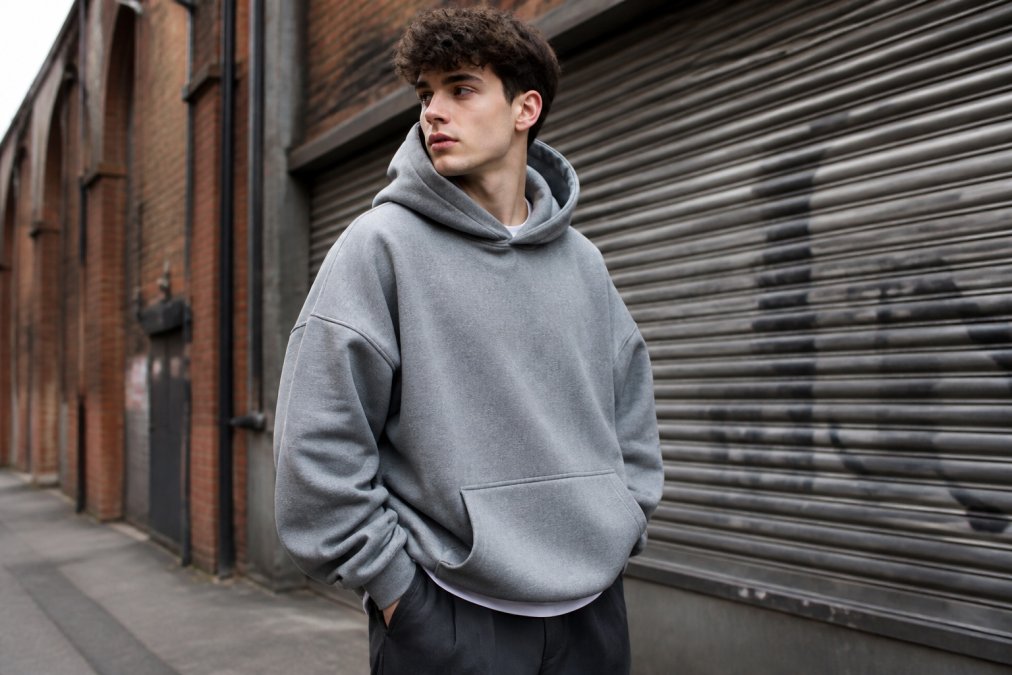
The oversized silhouette dominates contemporary streetwear, but not all oversized pieces are created equal. Premium options require precision in pattern-making. The shoulders must drop intentionally without looking sloppy. The body should be roomy without appearing shapeless. Armholes need correct positioning so the garment drapes naturally.
Cali Studios' Heavy Zip Hoodie exemplifies this approach. The three-panel hood construction and custom cotton-poly blend create a structured oversized silhouette that works across different body types. The dropped shoulders and boxy fit are intentional design choices.

Budget brands often achieve oversized sizing by simply scaling up standard patterns, creating excess fabric in odd places and a silhouette that doesn't photograph well or feel right when worn.
Fabric weight becomes more important in oversized pieces. Lightweight fabric in a large silhouette creates a shapeless, low-quality appearance. Heavier fabric holds the intended shape and creates the visual impact oversized streetwear aims for. This is why 600GSM fabric matters: it supports the oversized aesthetic.
Calculating Cost-Per-Wear: The Real Value Metric
Price alone doesn't determine value. A £100 hoodie worn 200 times costs 50p per wear. A £40 hoodie worn 30 times costs £1.33 per wear. The expensive piece delivers better value despite higher upfront cost.
Honest self-assessment matters. If you're buying a wardrobe staple you'll wear weekly, the math favours premium quality. Durability directly affects cost-per-wear. A hoodie maintaining its shape, colour, and comfort through 100+ washes spreads its cost across far more wears than one degrading after 20 washes.
Versatility also matters. A neutral-coloured oversized hoodie in premium fabric works across more outfits and seasons than trend-driven pieces. The more occasions you wear something, the lower your cost-per-wear becomes.
Cali Studios hoodies, priced between £85 and £100, are designed for high wear frequency. The durable construction and comfortable fit make them pieces you reach for regularly, distributing cost across hundreds of wears over several years.
Is Luxury Streetwear Worth the Investment for Everyday Wear
Everyday wear creates different demands than occasional pieces. A garment worn three times a week experiences stress that occasional-wear pieces never face. Premium construction matters more for everyday pieces. Reinforced stitching, quality zips, and heavyweight fabric directly impact longevity.
Comfort becomes primary. Brushed fleece, quality seams, and fabric that doesn't pill contribute to this experience. Budget alternatives often compromise on comfort to hit price points.
For everyday rotation, a smaller number of premium pieces often works better than a larger number of cheap alternatives. Three premium hoodies worn regularly outperform six budget hoodies that wear out, pill, and fade.
Cali Studios pieces occupy this space well. Priced accessibly compared to ultra-luxury brands but constructed well enough for genuine everyday wear, they deliver the balance many seek: quality that justifies cost without premium-brand pricing.
Hype Versus Intrinsic Value: Separating Perception from Reality
Hype culture creates artificial scarcity and inflates prices beyond material and construction costs. A limited-edition drop can command prices reflecting exclusivity rather than quality. This isn't inherently bad, but it's important to recognise when you're paying for hype versus quality.
Intrinsic value comes from material quality, construction excellence, design coherence, and durability. These factors exist independently of brand reputation or scarcity. A well-made hoodie in premium fabric is objectively better than a poorly-made one.
The risk of hype-driven purchases is that pieces lose value when hype fades. Trend-driven designs age poorly. Limited editions become less desirable once hype cycles end.
Intrinsic value holds better over time. A quality hoodie in a neutral colour with thoughtful design remains wearable and desirable years later.
Cali Studios operates outside hype cycles by focusing on fundamental quality. No artificial scarcity, no limited drops designed to create FOMO. Instead, consistent quality and accessible pricing reflecting actual material and construction costs.
Resale Value and Long-Term Durability
Resale value serves as a proxy for actual quality. Pieces holding their condition and remaining desirable command higher resale prices, suggesting original quality was genuine.
Hype-driven pieces often crash in resale value once trends pass. Quality pieces with neutral designs maintain resale value better. A well-made hoodie in black or grey, free from trend-driven details, remains wearable and desirable years later.
Durability directly impacts resale value. Premium fabrics and construction resist visible wear better, preserving resale value.
For long-term durability, fabric care matters. Heavyweight cotton-poly blends resist shrinkage if washed in cold water. Avoiding high heat in the dryer prevents damage. Turning garments inside-out before washing reduces fading and pilling.
The investment perspective is worth considering. A £100 hoodie worn for three years, then resold for £30, costs £70 total. A £40 hoodie worn for one year, then discarded, costs £40 total. The premium piece might deliver better value even accounting for resale.
Whether expensive streetwear is worth the price depends on your priorities and wear patterns. If you're buying everyday pieces, premium construction and fabric quality deliver measurable value through durability and comfort. If you're chasing hype, you're paying for perception rather than substance. Cali Studios hoodies offer genuine quality, premium fabrics like 600GSM cotton-poly blends and reinforced construction details, at prices reflecting actual value rather than artificial scarcity. For pieces you'll wear regularly, the investment in quality pays dividends through cost-per-wear and long-term wearability. Start with Cali Studios' Heavy Zip Hoodie or Tiger Zip Hoodie to experience the difference thoughtful construction makes.
Frequently Asked Questions
How can you tell the difference between quality streetwear and overpriced hype?
Quality streetwear shows tangible markers: heavyweight fabric (600GSM or above), reinforced stitching at stress points, proper seam finishing, and construction details like double-layered hoods or brushed fleece lining. Overpriced hype relies on brand name alone without these technical features. Examine the garment in hand before buying, check seam integrity, fabric weight, and how labels are attached. Premium brands document their materials openly; if a brand won't specify fabric composition, that's a red flag.
Is expensive streetwear worth buying for everyday wear?
It depends on your wear frequency and lifestyle. If you wear a hoodie or joggers 3-4 times weekly, a premium piece paying £85-£100 spreads its cost across hundreds of wears, bringing cost-per-wear down to pence. Fast fashion alternatives may cost less upfront but deteriorate after 20-30 washes. For daily wear in street subcultures where durability matters, heavyweight cotton blends and reinforced construction justify the price. Occasional wearers are better served by mid-range options.
What factors determine the price of streetwear?
Price reflects material quality (heavyweight cotton costs more than thin alternatives), manufacturing standards (double-stitching and finishing techniques add labour costs), brand equity (established names command premiums), exclusivity (limited editions cost more), and supply-demand dynamics. Sustainable production methods and ethical labour practices also increase costs. A £100 hoodie with 600GSM fabric and UK-designed aesthetics costs more to produce than a £30 basic tee, but the price difference reflects genuine quality differences rather than pure hype.
Does higher price always guarantee better durability in clothing?
Not always, but there's a strong correlation. A £100 hoodie with 600GSM premium cotton blend will outlast a £25 fast fashion equivalent by years when properly cared for. However, some expensive brands charge for aesthetics and exclusivity rather than durability. Check fabric composition and construction details rather than relying on price alone. Heavyweight materials, reinforced seams, and quality finishes are the actual durability markers. Mid-range streetwear with solid construction often outperforms luxury brands that prioritise limited-edition hype over garment longevity.
This article was written using GrandRanker
