




Table of Contents
- How to Spot Fake Streetwear Before You Buy
- Research Seller Reputation and Brand Authenticity
- Use Secure Payment Methods for Online Shopping
- Understand Your Consumer Rights When Buying Streetwear Online in the UK
- Recognise Scam Red Flags When Buying Streetwear Online
- Safe Online Shopping Practices for Streetwear Purchases
- Frequently Asked Questions
Last Updated: September 18, 2026
How to Spot Fake Streetwear Before You Buy
Counterfeit streetwear floods online marketplaces. Learning the essentials of buying streetwear online safely saves money and protects you from scams. The difference between authentic and counterfeit pieces comes down to manufacturing precision, details counterfeiters consistently overlook.
Inspect stitching and seams
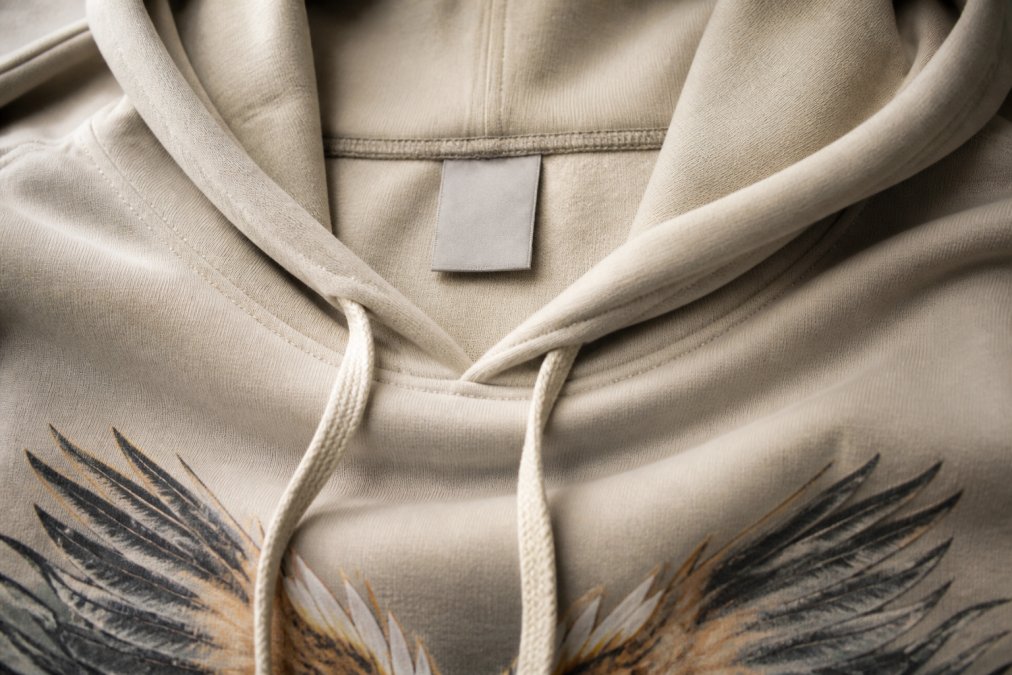
Authentic streetwear has straight, even seams with tight stitches and matching thread colour. Examine both exterior and interior construction:
Exterior seams:
- Stitches are uniform in length (typically 2-3mm apart)
- Thread tension is consistent; no puckering or bunching
- Seams are reinforced at stress points (armholes, crotch, collar)
- No loose threads or fraying visible
Interior seams:
- Finished edges (not raw fabric)
- Seams are sealed or bound, not left exposed
- Tag is sewn with multiple thread passes, not single-stitch attached
- Stitching pattern matches across all seams
Check font accuracy and graphic quality
Logos and graphics reveal counterfeits immediately. Authentic streetwear has sharp, precise printing or embroidery. Compare the piece directly to official brand images from the manufacturer's website or verified retailers.
Font and spacing checks:
- Letter spacing in brand names is consistent and matches official references
- Font weight is uniform (no thin or thick letters in the same word)
- Graphic alignment is centred or positioned exactly as shown in official product photos
- Text baseline is straight, not tilted or wavy
Print quality assessment:
- Screen-printed graphics have crisp edges with no bleeding or blurring
- Embroidered logos have tight, even stitches with no loose threads
- Colours match official brand standards (compare under natural light)
- Print or embroidery doesn't crack, peel, or fade after one wash
Common counterfeit tells:
- Slightly wrong fonts (serif instead of sans-serif, or vice versa)
- Spacing too tight or too loose compared to official images
- Graphic misaligned on the chest or back
- Blurry or pixelated print quality
- Colours that are too bright, too dull, or slightly off-shade
- Embroidery with loose, uneven stitches or visible gaps
Verify packaging and tags
Authentic streetwear tags have crisp, clear printing with correct spelling, proper placement, serial numbers or batch codes, care instructions in multiple languages, and are sewn securely with reinforced stitching, never glued or single-stitched.
Research Seller Reputation and Brand Authenticity
Verify who you're buying from before committing money. A seller's reputation tells you whether they stock authentic goods.
Check customer reviews and social proof
Read reviews for detailed comments about quality, fit, shipping, and returns. Fake reviews are short and generic; real reviews describe actual experiences. Check seller history, new accounts are riskier. Established sellers with hundreds of reviews have more to lose. Legitimate businesses answer customer questions; scammers ignore messages.
Verify the seller's inventory and drop culture credibility
Authentic sellers understand drop culture, stock pieces that make sense together, and have knowledge about brands. Counterfeit sellers stock random items and claim to have sold-out pieces. Check the seller's social media, real retailers engage with the community; fake sellers rarely have active accounts.
Use Secure Payment Methods for Online Shopping
Choose payment methods that offer buyer protection and dispute resolution.
Encrypted checkout and digital receipts
Use encrypted payment systems with HTTPS, a padlock icon, and trusted gateways. Never enter details on unsecured websites. Keep digital receipts with order number, date, and amount paid.
Payment protection and chargeback options
Credit cards offer strong buyer protection for items not received or counterfeit. Debit cards offer less protection. PayPal and similar services cover items not received or not as described. Never use bank transfers or direct payments, recovery is nearly impossible.
Understand Your Consumer Rights When Buying Streetwear Online in the UK
UK consumer law protects online shoppers. Understanding your rights prevents disputes and secures refunds when needed.
Return windows and exchange policies
The Consumer Contracts Regulations give you 14 days to return items bought online for a full refund at the seller's expense. The item must be unused and in original condition (trying on is allowed). Keep proof of return using tracked shipping. The seller cannot refuse returns within the legal window.
Distance selling regulations and your protection
Distance selling regulations require sellers to provide clear descriptions, display prices and delivery costs, provide contact information, confirm orders in writing, and deliver within 30 days. If breached, report to your local trading standards office. Sellers must refund you if they cannot deliver within 30 days.
Recognise Scam Red Flags When Buying Streetwear Online
Scammers use predictable tactics specific to the streetwear resale market. Learn the warning signs unique to hype culture and avoid them entirely. Streetwear fraud differs from generic online shopping scams because it exploits collectors' urgency and desire for limited pieces.
Unrealistic pricing and resale market red flags
If the price seems too good to be true, it is. Sellers offering 50-70% discounts on recent drops or sold-out pieces are either selling counterfeits or running a scam.
Phishing attempts and fake checkout pages
Phishing attacks target streetwear buyers through email and social media. Common tactics: emails claiming order problems, fake customer support messages, links to fake checkout pages, requests for unusual payment methods, and sellers asking you to pay outside the platform.
Suspicious shipping policies and tracking issues
Real sellers provide tracking numbers immediately. Shipping red flags: no tracking number, unexpected origin country, 8+ week delivery, non-working tracking, seller asking you to wait before filing disputes, and untracked shipping only.
What to do if tracking fails:
- Contact the seller immediately with the tracking number
- Request proof that the item was actually shipped (receipt from courier, photo of package)
- If the seller cannot provide proof, file a dispute with your payment provider immediately
- Do not wait for the seller to "investigate." Most payment providers have strict timeframes (30-60 days) for filing disputes
Platform-specific scam patterns
Different platforms attract different types of fraud. Understanding platform-specific risks helps you shop safely.
Peer-to-peer marketplaces (Depop, Vinted, Grailed):
- Sellers with new accounts and no reviews
- Sellers who refuse video calls or additional photos
- Buyers who message outside the platform asking for discounts (then disappear after payment)
- Items listed as "authentic" with no proof or authentication service used
Official brand websites:
- Fake brand websites that look almost identical to the real site
- URLs with slight misspellings ("nike-streetwear.co.uk" instead of "nike.com")
- Prices significantly lower than the official store
- No secure checkout (no HTTPS, no padlock icon)
Resale aggregators (StockX, SNKRS resale):
- Items listed by unverified sellers
- Sellers with high return rates or disputes
- Items that fail authentication after purchase
Safe Online Shopping Practices for Streetwear Purchases
Protect yourself through smart shopping habits. These practices keep your money and personal information secure.
Order tracking and import duties awareness
Track your order from the moment it ships. Check the tracking number daily. Note any unusual activity or delays.
Platform-specific safety on verified marketplaces
Buy from verified marketplaces when possible. Platforms like eBay, Depop, and Vinted have buyer protection programs. They verify sellers and handle disputes.
Frequently Asked Questions
How can I verify if an online streetwear store is legitimate?
Check for encrypted checkout (look for the padlock icon), read customer reviews on independent platforms, verify the brand's official social media accounts, and research the seller's history. Legitimate retailers display clear contact information, transparent shipping policies, and proper business registration. Cross-reference the website domain with the brand's official channels before making a purchase.
What are the key signs of counterfeit streetwear I should watch for?
Inspect stitching for uneven patterns, check font accuracy on logos and graphics, examine tag quality and placement, and compare packaging against authentic examples from the brand's official store. Counterfeit goods often feature poor colour reproduction, misspelled brand names, and inconsistent material quality. Request high-resolution photos from sellers before buying, and use legit check guides from established streetwear communities.
What payment methods offer the best protection for online clothing purchases?
Credit cards and PayPal offer strong buyer protection through chargeback options if goods don't arrive or differ from the listing. Debit cards provide less protection, so use them cautiously. Look for sellers using encrypted payment gateways. Always keep digital receipts and order confirmations. For international purchases, payment methods with fraud protection help if customs issues arise or items are lost in transit.
What are my consumer rights when buying clothes online in the UK?
Under the Consumer Contracts Regulations, you have 14 days to return items without reason if purchased remotely. Items must arrive within 30 days unless agreed otherwise. You're protected against faulty goods for up to six years. If an item is significantly different from the description, you can request a refund. Keep all documentation and communication with the seller. Check individual return policies, as some brands offer extended windows.
