




Table of Contents
- Regular Fit Explained: The 2026 Definition
- Regular Fit vs Oversized Streetwear: The Real Differences
- How to Style Regular Fit T-Shirts for a Streetwear Look
- Building a Capsule Wardrobe Around Regular Fit Staples
- The Economics of Refined Streetwear: Why Fit Justifies the Price
- Caring for Premium Fabrics in a Regular Fit Wardrobe
- Quiet Luxury and Gender-Neutral Styling in Modern Streetwear
- Conclusion: Why Regular Fit Still Matters in 2026
- Frequently Asked Questions
Last Updated: October 1, 2026
Regular Fit Explained: The 2026 Definition
Regular fit is the cut that sits between slim and oversized: the shoulder seam lands on your natural shoulder line, the body has room to move without billowing, and the sleeve and hem stop where they should. It is the most versatile silhouette in streetwear right now, and the one most people describe badly.
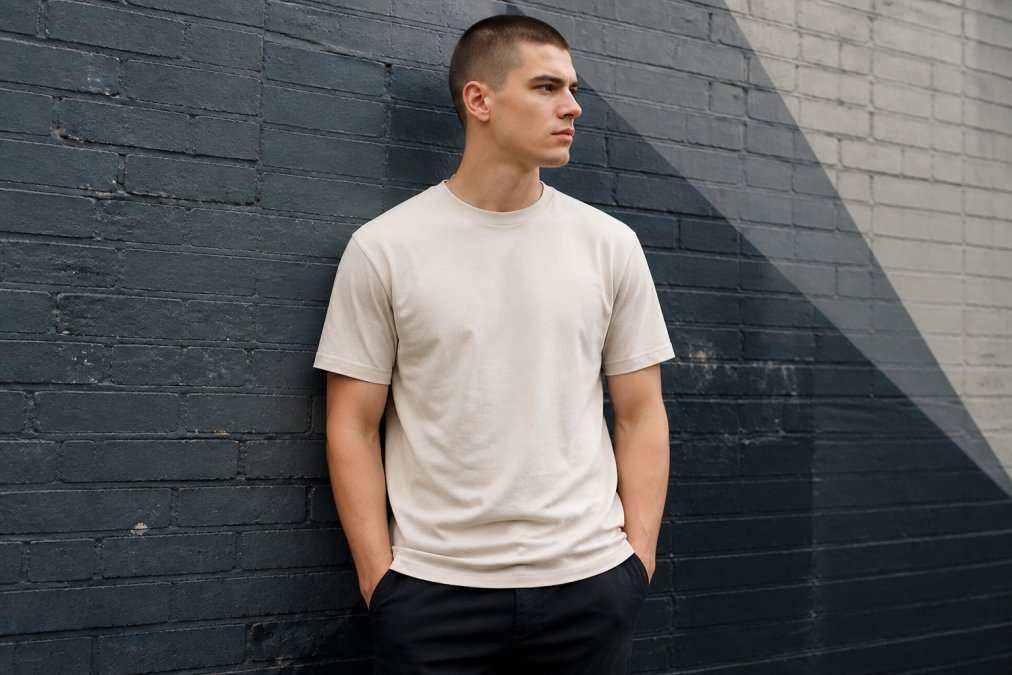
Here is the distinction that matters. Regular fit is not "medium".
Regular Fit vs Oversized Streetwear: The Real Differences
The difference comes down to one measurement: where the shoulder seam sits. On a regular cut it lands on the shoulder bone. On an oversized cut it drops 3-6cm past it, which is what creates the slouched, draped line.
Neither is better. They solve different problems:
- Regular fit: sharp layering, visible silhouette, works under a jacket
- Oversized: volume as the statement, best worn as the outermost layer
- The mistake: sizing up a regular cut to fake oversized. You get a long, narrow, awkward garment instead of volume
Shoulder Seam and Drop Shoulder: The Deciding Detail
Check the seam before you check anything else. If it sits on the point of your shoulder, you have a regular fit. If it hangs past it, you have a drop shoulder.
How to Choose the Right Fit for Your Body Type
Taller frames carry regular fit best with a slightly longer body and sleeve. Broader shoulders should prioritise chest room over length. Narrower frames get the most from a regular cut because drop shoulders can swallow the silhouette entirely.
How to Style Regular Fit T-Shirts for a Streetwear Look
Styling a regular fit tee is a proportion problem before it is a colour problem. Get the ratios right and almost any colourway works; get them wrong and no amount of accessorising rescues the outfit.
Work from three reference points on your own body:
- Shoulder seam: should sit on the point of the shoulder bone. If it has crept inward, the tee is reading slim; if it hangs past, it is reading oversized.
- Hem: should finish at the hip bone, roughly the midpoint between your waistband and the fullest part of your seat. A hem that drops below the seat lengthens the torso and shortens the leg line.
- Sleeve: should end around mid-bicep, about 2-4cm above the elbow crease. Longer sleeves read as a relaxed cut, shorter reads as a retro ringer.
From those three anchors, the styling decisions follow:
- Tuck or half-tuck into relaxed joggers or straight-leg denim. A full tuck defines the waist and lets the trouser break do the work; a half-tuck keeps the drape loose but stops the hem competing with the waistband. Both work because the regular cut has enough body room to tuck without pulling across the chest.
- Layer under an open overshirt, coach jacket or zip hoodie. Keep the outer layer unzipped so the shoulder seam stays visible. This is the single most reliable way to make a regular fit read as intentional rather than accidental.
- Match fabric weights across the outfit. A heavyweight cotton tee sits cleanly under a midweight shell. Pairing a heavyweight tee with a very light shell creates a visible weight mismatch at the shoulder that photographs badly.
- Add one textural contrast, not three. A heavyweight jersey tee against a lighter nylon shell, or a ringer against plain jersey, is enough. Stacking contrast on contrast is what makes layered streetwear look bulky.
- Finish with accessories that sit high on the body, a cap, a chain, a crossbody strap, to pull the eye upward and balance the volume below.
Layering Techniques That Work With a Regular Cut
Layering is where regular fit outperforms oversized. A defined shoulder slides under a jacket, a hoodie or an overshirt without bunching at the armhole. Oversized layers fight each other at the seam, which is why so many stacked outfits look bulky rather than considered.
Order your layers by weight and by looseness:
- Base layer: regular fit tee, closest to the body
- Mid layer: overshirt or hoodie, one step looser through the chest
- Shell: coach jacket or light parka, one step looser again
How to Choose the Right Fit for Your Body Type
Taller frames carry regular fit best with a slightly longer body and sleeve, look for a body length that finishes at or just below the hip bone rather than above it. Broader shoulders should prioritise chest room over length, because a regular cut that is tight across the chest will pull at the shoulder seam and read slim. Narrower frames get the most from a regular cut because drop shoulders can swallow the silhouette entirely.
Building a Capsule Wardrobe Around Regular Fit Staples
A capsule wardrobe works when every piece can be worn with every other piece. Regular fit makes that possible because it does not fight the garments around it, a defined shoulder slides under a jacket, a hip-length hem sits cleanly over a jogger, and the body has enough room to layer without bunching.
Tiger Ringer T-Shirt - White →
Build around six to eight pieces:
- Two regular fit t-shirts in contrasting colourways (one light, one dark)
- One heavyweight hoodie
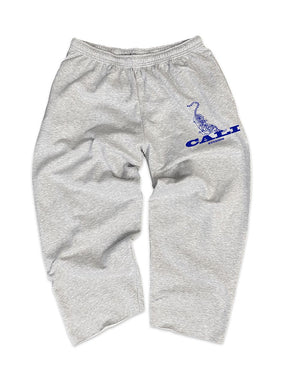
- One relaxed jogger
- One overshirt or light jacket
- One pair of straight-leg denim or cargos
The Cost-Per-Wear Case for Fewer, Better Pieces
This is the part most guides skip. A £40 regular fit t-shirt worn twice a week for two years works out at roughly 38p per wear. A cheaper alternative that loses shape after ten washes costs more in practice, because you replace it.
Care and Maintenance of Premium Fabrics
- Turn garments inside out before washing to protect prints
- Wash cold on a low spin cycle to reduce stress on seams
- Dry flat or hang in shade, never on a radiator
- Fold knitwear rather than hanging it, to stop shoulder stretch
- Wash joggers and hoodies less often than tees
The WRAP UK textile sustainability guidance makes the case that longer-wearing, versatile garments reduce overall consumption, which is exactly what a capsule approach delivers, provided the pieces are maintained well enough to stay in rotation.
The Economics of Refined Streetwear: Why Fit Justifies the Price
Cost per wear is the only number that matters. A £40 regular fit t-shirt worn twice a week for two years costs roughly 38p per wear. A cheaper alternative that loses shape after ten washes costs more, because you replace it.
Caring for Premium Fabrics in a Regular Fit Wardrobe
Wash cold, inside out, and never tumble dry. Heat is what shrinks cotton and breaks down the structure that gives a regular fit its shape.
- Turn garments inside out before washing to protect prints
- Use a low spin cycle to reduce stress on seams
- Dry flat or hang in shade, never on a radiator
- Fold knitwear rather than hanging it, to stop shoulder stretch
- Wash joggers and hoodies less often than tees
Quiet Luxury and Gender-Neutral Styling in Modern Streetwear
The quiet luxury crossover is real, and it runs straight through regular fit. Logos are receding, fabric quality and cut are taking over as the signal, and that shift favours a clean, unfussy silhouette.
Conclusion: Why Regular Fit Still Matters in 2026
The trend cycle has moved through slim, through oversized, and back toward something considered. Regular fit is where that lands: structured enough to look intentional, relaxed enough to actually wear every day.
Frequently Asked Questions
What is the difference between regular fit and oversized in streetwear?
Regular fit follows your natural body shape with a small amount of breathing room, and the shoulder seam sits at the edge of your shoulder. Oversized streetwear deliberately drops the shoulder seam, adds width through the chest and body, and often extends the hem. A regular fit t-shirt looks intentional and structured; an oversized one creates a relaxed, draped silhouette. Both work in streetwear, but they serve different styling purposes and suit different body types.
Is regular fit still popular in modern streetwear?
Yes. The shift toward elevated basics, heavyweight fabrics and tailored streetwear has brought regular fit back into focus. While oversized pieces remain a staple, many brands now offer both fits because regular cut works better for layering, smart-casual hybrid outfits and gender-neutral styling. A regular fit t-shirt under an open overshirt or jacket looks sharper than an oversized one, which is why it remains a wardrobe essential.
How should a regular fit t-shirt sit on the shoulders?
The shoulder seam should land right at the edge of your natural shoulder, not hang past it. If the seam drops below your shoulder bone, that is an oversized fit. If it sits inside your shoulder line, that is a slim fit. A regular fit gives you about 2-5 cm of room through the chest and body compared to a slim cut, with the hem sitting around mid-fly level. This is the benchmark for a clean, structured look.
Can you style regular fit clothing for a streetwear aesthetic?
Absolutely. Start with a regular fit t-shirt as your base layer, then add an open overshirt, a zip hoodie or a varsity jacket on top. Pair with relaxed joggers or straight-leg jeans rather than skinny cuts. Use textural contrast, like a heavyweight cotton tee with technical nylon trousers, to add depth. Accessories such as a crossbody bag or a beanie finish the look. The key is balancing the regular fit base with one or two oversized or relaxed elements elsewhere.
Fit is the difference between a garment you wear twice and one you wear for two years. Cali Studios offers regular and oversized fits across hoodies, joggers and t-shirts, so you can find the cut that actually suits your frame. Browse the range, check the sizing guidance, and build a wardrobe that works together.
