




Table of Contents
- Why Fabric Choice Makes or Breaks Daily Streetwear
- Heavyweight Cotton for Streetwear: The 400GSM+ Standard
- Best Fabric Weight for Oversized Hoodies
- Natural vs Synthetic Fibres: What Works for Daily Wear
- How to Care for Streetwear Fabrics So They Last
- Choosing Fabrics for Specific Garments: Hoodies, Tees and Joggers
- How to Identify High-Quality Streetwear Fabrics Before You Buy
- Frequently Asked Questions
Last Updated: September 11, 2026
Why Fabric Choice Makes or Breaks Daily Streetwear
The best streetwear fabrics for daily wear are heavyweight cotton, cotton-poly blends, and select synthetics chosen for their GSM, drape, and durability. Get the fabric wrong and even a perfectly cut hoodie looks cheap after a month. We build every piece around fabric first because that is what separates a staple from a fast-fashion throwaway.
Most buyers obsess over logos and fit while ignoring fibre content. That is backwards. A 200GSM tee and a 400GSM tee can look identical on a product page and behave completely differently after ten washes. Below, we break down exactly which streetwear fabrics hold up to daily rotation, how to read a spec sheet, and what to avoid.
Heavyweight Cotton for Streetwear: The 400GSM+ Standard
Heavyweight cotton for streetwear starts at roughly 400GSM and is the benchmark for premium hoodies and tees. GSM stands for grams per square metre and measures fabric density. The higher the number, the thicker, warmer, and more structured the garment.

Heavyweight cotton holds its shape through repeated washing, resists pilling, and drapes with a weight that lighter fabrics simply cannot match. The trade-off is cost and drying time. A common mistake is assuming all "heavyweight" labels are equal. Many high street brands advertise 300GSM and call it heavy. It is not.
How to Spot Genuine Heavyweight Cotton
Check the stated GSM on the label or product page, then feel the fabric's opacity against light. Genuine heavyweight cotton feels dense and slightly stiff when new, then softens without thinning. If a seller will not publish a GSM figure, assume it is under 300. Textile weight guidance from the UK Fashion and Textile Association recommends buyers verify fibre content and weight before purchase.
Best Fabric Weight for Oversized Hoodies
The best fabric weight for oversized hoodies sits between 400GSM and 600GSM. Below 400GSM an oversized fit collapses and clings. Above 600GSM it becomes rigid and hard to layer.
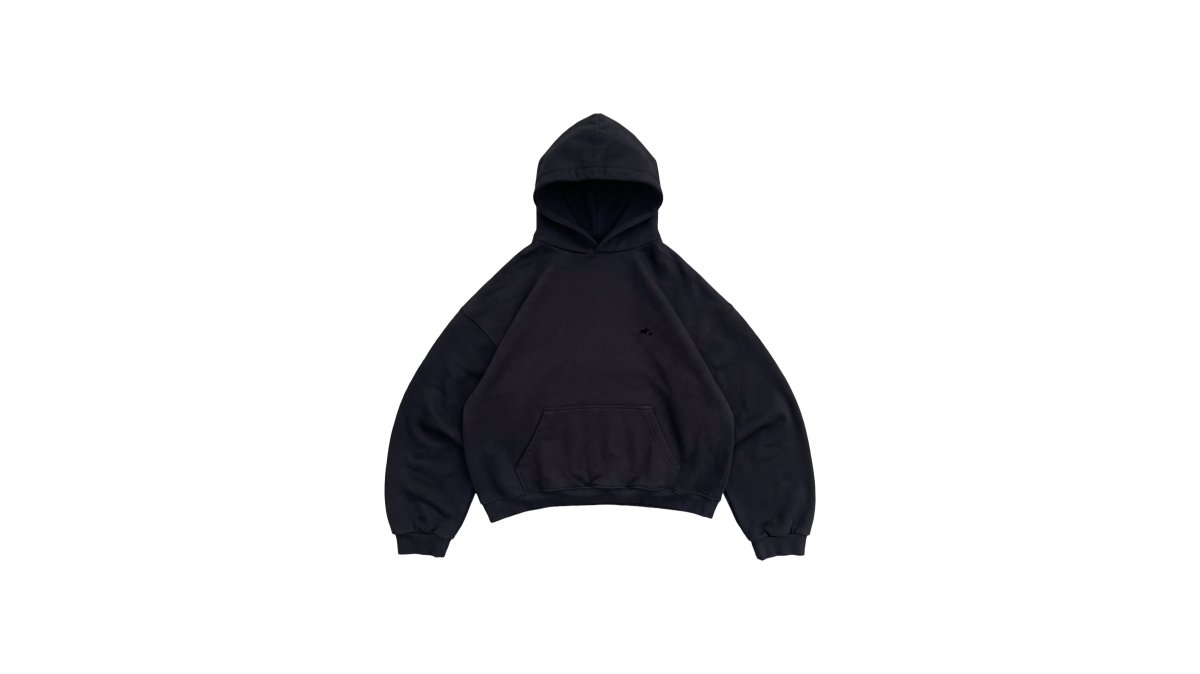
Cali Studios hoodies use a 600GSM custom cotton-poly blend, which is why they hold a boxy, drop-shouldered silhouette instead of sagging at the shoulders. The cotton keeps it breathable; the poly content adds structure and reduces shrinkage.
Why 600GSM Changes the Drape
Drape is how fabric falls and moves on the body. At 600GSM, a hoodie stands away from the frame rather than clinging, which is the entire point of an oversized cut. Heavier fabric also resists the shoulder slump that ruins cheaper oversized hoodies after a few wears. The one drawback: 600GSM takes longer to dry and feels warm in peak summer.
Natural vs Synthetic Fibres: What Works for Daily Wear
Natural fibres, cotton, linen, hemp, tencel (lyocell) and wool, are built from plant or animal cellulose and protein. Synthetic fibres, polyester, nylon, acrylic and elastane, are polymer-based, usually derived from petroleum. The distinction matters less at the fibre level than at the blend level, because almost no daily-wear streetwear piece is 100% one or the other.
| Fibre | Best For | Pros | Cons |
|---|---|---|---|
| Cotton | Tees, hoodies | Breathable, soft, holds print | Shrinks, slower to dry |
| Cotton-poly blend | Hoodies, joggers | Structure, low shrinkage | Less breathable |
| Polyester | Jerseys, activewear | Moisture-wicking, durable | Can trap odour, sheds microfibres |
| Nylon | Outerwear, cargos | Tensile strength, abrasion resistance | Low breathability |
| Elastane (Lycra) | Fitted pieces | Stretch, recovery | Degrades over time |
| Tencel / lyocell | Lightweight tees | Drape, moisture management | Pricier, needs gentle care |
| Hemp | Heavy tees, workwear | Abrasion resistance, breathability | Coarse hand-feel when new |
Why Blends Beat Extremes
A 60/40 cotton-poly hoodie is not a compromise, it is engineered. The cotton face gives the hand-feel and takes screen print and embroidery well. The polyester core adds dimensional stability, so the garment resists the shoulder slump and hem curl that plague 100% cotton fleece after a dozen washes. Most practitioners find a 65/35 or 70/30 cotton-poly split is the sweet spot for heavyweight hoodies: enough cotton to feel like cotton, enough poly to hold a boxy cut.

Pure cotton still wins for daily-wear tees because it breathes and takes water-based inks cleanly. Pure polyester wins for jerseys and technical outerwear where moisture management and abrasion resistance matter more than skin-feel.
The Microplastic Question
Every wash of a polyester or nylon garment sheds microfibres, tiny plastic filaments that pass through wastewater treatment and end up in rivers and oceans. Research from the environmental charity WRAP and from UK water companies has repeatedly flagged textile microfibre shedding as a growing contributor to microplastic pollution. A single synthetic fleece can shed hundreds of thousands of fibres per wash cycle.
This does not mean you must avoid synthetics entirely. It means three practical things for daily wear:
- Prefer blends with a high natural-fibre content over 100% synthetics where the garment will be washed frequently.
- Wash synthetics less often, at lower temperatures, and use a microfibre-catching wash bag or a filter fitted to your washing machine drum.
- Choose garments with a tighter knit or weave, which shed fewer fibres than loose, brushed synthetic fleece.
How Fibre Choice Affects Printing and Embroidery
Fibre content decides which decoration methods will actually last.
- Water-based and discharge screen printing bonds best to 100% cotton and high-cotton blends. On polyester, water-based inks can wash out or look chalky, so plastisol or low-bleed inks are usually required.
- Embroidery works on almost any stable knit, but on very stretchy elastane-heavy fabrics the stitching puckers. On 400GSM+ cotton fleece, embroidery sits flat and holds its shape for years.
- DTG (direct-to-garment) printing performs best on 100% ringspun cotton; on synthetics the ink sits on the surface and cracks faster.
If a garment is going to carry a print you care about, match the print method to the fibre before you match the fibre to the fit.
How to Care for Streetwear Fabrics So They Last
Wash heavyweight cotton and cotton-poly blends inside out in cold water, then air dry. Heat is what destroys streetwear fabrics: it shrinks cotton, breaks down elastane, and fades prints.
- Turn garments inside out to protect prints and logos
- Use cold water and a gentle cycle
- Skip the tumble dryer; lay flat or hang to dry
- Wash dark washed pieces separately, as dyes may transfer
- Avoid fabric softener, which coats fibres and reduces breathability
Wash-fastness and pilling resistance both improve dramatically with cold washing. A heavyweight hoodie treated this way will outlast three cheap ones.
Choosing Fabrics for Specific Garments: Hoodies, Tees and Joggers
Match the fabric to the garment and to the knit structure, not just the GSM number. Two 400GSM fabrics can behave completely differently depending on whether they are loopback french terry, brushed fleece or a bonded interlock.
Hoodies and Sweatshirts: 400-600GSM
Hoodies need 400GSM and above to hold a boxy, drop-shouldered silhouette. Below 400GSM the fabric collapses at the shoulders and the hood loses its shape. Above 600GSM it becomes rigid and hard to layer under a jacket.
The knit structure matters as much as the weight:
- Brushed fleece, a loopback knit with the inner loops brushed to a soft, fuzzy pile. Warm, cosy hand-feel, but heavier and warmer than it looks.
- French terry (unbrushed loopback), loops left intact on the inside. Cooler, more breathable, and better for year-round wear. The looped texture is what gives premium hoodies their distinctive hand-feel.
- Bonded fleece, two fabrics glued together. Cheaper to produce but prone to delamination after repeated washing.
A 500GSM brushed fleece jogger or hoodie gives warmth without bulk. A 400GSM french terry hoodie is the better choice for spring and autumn daily wear.
Tees: 180-220GSM
Daily-wear tees sit best between 180GSM and 220GSM. Below 180GSM the fabric goes sheer and clings; above 220GSM it stops feeling like a tee and starts feeling like a sweatshirt.
Knit type is the differentiator here:
- Single jersey, the standard tee knit. Light, smooth, takes print well.
- Ringspun combed cotton, the yarn is spun to remove short fibres, giving a smoother, stronger, less pilly surface. Organic ringspun combed cotton at 200GSM is the benchmark for a premium daily tee.
- Slub jersey, deliberately uneven yarn for a textured, vintage hand-feel. Less uniform print surface.
Joggers and Sweatpants: 300-500GSM
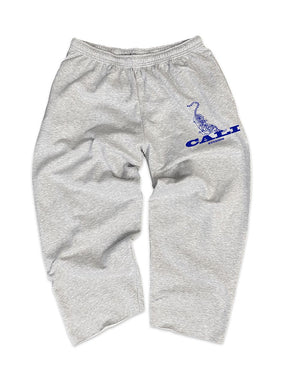
Joggers work from 300GSM to 500GSM. The lower end suits lighter, tapered cuts; the upper end suits relaxed, wide-leg silhouettes that need to hold their shape. A 500GSM brushed fleece gives warmth without bulk, as found in the Heavy Sweat Pants. Look for a ribbed cuff and a drawcord channel that is reinforced, the fabric is only as good as the trims it is sewn to.

Cargos, Denim and Outerwear: Wovens
Cargos and denim favour woven fabrics, cotton twill and denim, for abrasion resistance. Twill's diagonal weave is denser and stronger than a knit of the same weight, which is why it survives pockets, tool loops and daily friction. For outerwear, a nylon or polyester shell over a cotton lining gives weather resistance without sacrificing skin-feel.
Tactile Sensory Profiles: What Each Fabric Actually Feels Like
Spec sheets tell you weight and fibre; hand-feel tells you whether you will actually wear the thing.
- Brushed fleece, soft, warm, slightly fuzzy. Feels heavier than it is.
- French terry, looped, cooler, drier to the touch. Reads as more premium than brushed fleece to most hands.
- Single jersey, smooth, light, cool. The default tee feel.
- Ringspun combed cotton, smoother and denser than standard jersey, with a subtle sheen.
- Cotton twill, dry, structured, with a visible diagonal grain.
- Nylon shell, slick, cool, slightly noisy. Not a lounging fabric.
If you cannot touch the garment before buying, reviews that mention hand-feel are your best proxy. Cali Studios publishes GSM and fibre content on every product page so you know exactly what you are buying before it arrives.
How to Identify High-Quality Streetwear Fabrics Before You Buy
Read the spec sheet before the photos. Fibre content, GSM, and knit type tell you more than any styled shot. Look for transparency on where and how the fabric was made, since sourcing and supply chain transparency separate serious labels from drop-shippers.
- Fibre content stated as a percentage
- GSM figure published openly
- Knit type named (jersey, french terry, fleece, twill)
- Care instructions included
- Sourcing or mill information available
Tactile sensory profiles matter too: brushed fleece feels soft and warm, french terry feels looped and cooler, jersey feels smooth and light. If you cannot touch the garment, reviews mentioning hand-feel are your best proxy. Cali Studios publishes GSM and fibre content on every product page so you know exactly what you are buying.
Frequently Asked Questions
What is the best fabric for streetwear?
Heavyweight cotton and cotton-poly blends are the best streetwear fabrics for daily wear. Look for 400GSM and above for hoodies, 200-300GSM for t-shirts. Cotton-poly blends hold their shape better and resist shrinkage compared to pure cotton. French terry and brushed fleece work well for sweatshirts because they add warmth without bulk. The right choice depends on whether you prioritise breathability, durability, or that structured oversized look.
Is heavyweight cotton better than polyester for daily streetwear?
Heavyweight cotton wins for comfort and breathability in daily wear. It feels softer against the skin and regulates temperature better. Polyester adds durability, colour retention, and shape recovery, which matters for oversized fits that need to hold their structure. Most quality streetwear uses a cotton-poly blend to get both benefits. A 600GSM cotton-poly hoodie, for example, keeps its boxy shape after repeated washes while staying comfortable.
How does fabric weight affect the drape of streetwear clothing?
Fabric weight directly controls how a garment falls on your body. Lighter fabrics under 200GSM drape loosely and cling more, which can look sloppy in oversized cuts. Heavier fabrics above 400GSM hold a structured, boxy shape that defines the oversized silhouette. A 600GSM hoodie sits away from your body and maintains that intentional, relaxed look. That structure is the main reason heavyweight pieces cost more but look sharper.
What GSM is best for oversized hoodies?
For oversized hoodies, 500-600GSM gives the best balance of structure and comfort. At this weight, the fabric holds a boxy, drop-shoulder shape without collapsing. Anything under 400GSM tends to lose its shape after a few washes. Above 600GSM, the hoodie becomes very stiff and heavy, which limits movement. A 600GSM cotton-poly blend with brushed fleece inside delivers the structured look most people want from an oversized hoodie.
How do I care for streetwear fabrics to prevent shrinkage and pilling?
Wash heavyweight cotton and blends at 30 degrees Celsius on a gentle cycle. Turn garments inside out to protect prints and reduce surface friction. Avoid tumble drying, as heat causes shrinkage and breaks down fibres. Air dry flat or hang to maintain shape. Use a fabric shaver on pilling rather than pulling at it. For denim and washed pieces, wash separately for the first few cycles because colours may bleed slightly.
Which fabrics offer the best durability for oversized streetwear?
Cotton-poly blends outperform pure cotton for durability in oversized streetwear. The polyester content adds tensile strength and resistance to stretching out of shape. Denim and cotton twill also last well for bottoms because of their tight weave. Look for reinforced stitching at stress points like shoulders and waistbands. A 600GSM cotton-poly hoodie with brushed fleece will typically outlast a lighter 300GSM pure cotton version by a significant margin.
Fabric is the difference between a wardrobe staple and a regret. Cali Studios designs contemporary streetwear around heavyweight cotton and considered blends, from 600GSM hoodies to 200GSM organic tees, all in oversized and regular fits built for daily rotation. Explore the range and add pieces made to last.
