




Table of Contents
- What Makes Durable Streetwear Fabrics Stand Out
- Natural vs. Synthetic Fibres in Urban Wear
- Understanding Heavyweight Cotton GSM for Streetwear
- Durable Streetwear T-Shirts vs Fast Fashion Alternatives
- Key Performance Metrics for Streetwear Durability
- How to Care for Streetwear Fabrics
- Building a Durable Streetwear Wardrobe That Lasts
- Frequently Asked Questions
Last Updated: August 31, 2026
What Makes Durable Streetwear Fabrics Stand Out
Durable streetwear fabrics are engineered to handle urban life: repeated wear, washing, stretching, and constant friction. The difference comes down to heavyweight materials with tight weaves, quality fibres, and finishing processes that keep everything stable. At Cali Studios, we've built our entire range around this principle, every hoodie, t-shirt, and jogger uses fabrics that resist pilling, maintain their shape, and improve with age.
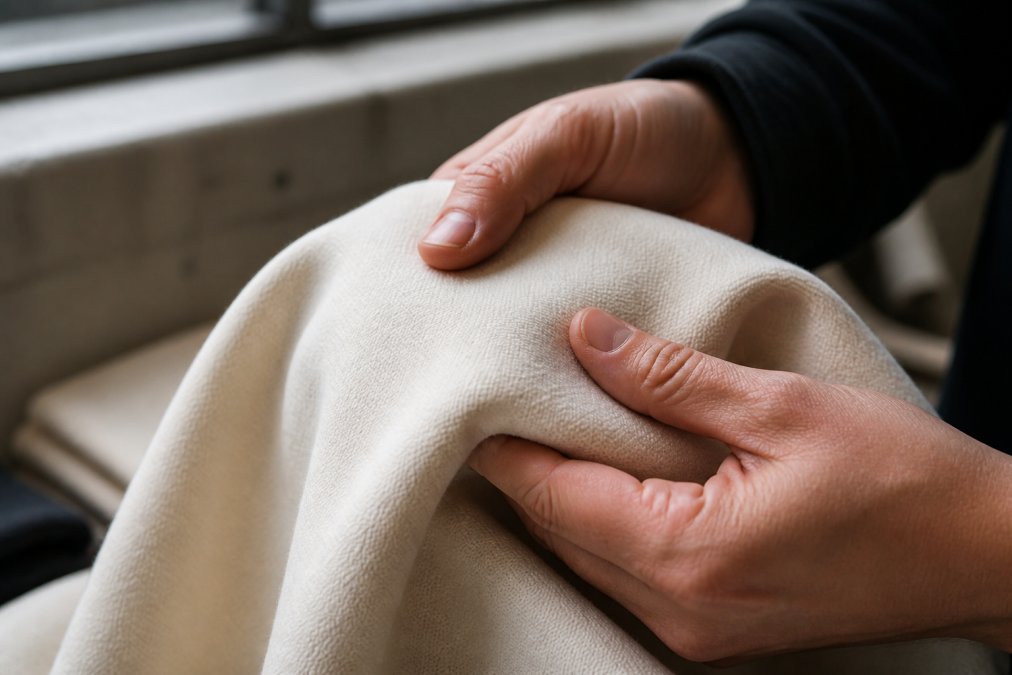
Real durable streetwear fabrics share specific characteristics: high tensile strength that resists tearing, abrasion resistance from repeated movement and washing, colorfastness that keeps black black after thirty washes, proper breathability, and no pilling or degradation. Quality brands invest in fabrics that perform, which is why a £100 hoodie from a quality maker outlasts three £30 fast-fashion alternatives and offers better value despite the higher upfront cost.
Natural vs. Synthetic Fibres in Urban Wear
The fabric composition debate often presents a false choice between natural and synthetic. Each fibre type brings distinct advantages and trade-offs.
Natural fibres like organic cotton offer breathability and comfort, but pure cotton stretches when wet and loses shape over time. A 100% cotton hoodie worn daily will sag at the shoulders and hem within months.
Synthetic fibres like polyester bring durability and shape retention that cotton can't match. Polyester resists stretching, maintains colour brilliance, and dries quickly, but can feel plastic-like and trap moisture.
The sweet spot for durable streetwear is a blend: 60-70% cotton mixed with 30-40% polyester. This combination gives you cotton's comfort and feel with polyester's durability and shape retention. The polyester acts as an internal skeleton while cotton provides breathability and natural tactile quality.
Some premium brands use other synthetics: nylon ripstop for technical pieces because it's incredibly strong and lightweight, elastane (spandex) in small percentages to add stretch and recovery, and recycled polyester for sustainable options that perform identically to virgin polyester.
Understanding Heavyweight Cotton GSM for Streetwear
GSM stands for grams per square meter, the industry standard for measuring fabric weight and density. A lightweight t-shirt runs 150-180 GSM and is prone to shrinking and stretching. Standard t-shirts sit around 200-250 GSM, acceptable but not ideal for pieces you want to last years.
Heavyweight cotton for streetwear starts at 300 GSM and goes up to 400+ GSM for t-shirts. At this weight, the fabric has enough density to resist stretching and maintain structure. A 350 GSM t-shirt will outlast a 200 GSM alternative by a factor of three or more.
For hoodies and sweatshirts, the standard jumps significantly. Cali Studios' Heavy Hoodie uses 600 GSM custom cotton-poly blend. At this weight, the fabric becomes a genuine barrier that resists wind and light rain through sheer density. The brushed inner fleece adds another layer of performance, trapping warmth without bulk.

The relationship between GSM and durability isn't linear. A 400 GSM fabric is significantly more durable than a 200 GSM fabric because the tighter weave resists both stretching and abrasion simultaneously. GSM also affects seasonal performance: a 300 GSM t-shirt works year-round, while a 600 GSM hoodie becomes your winter workhorse.
Durable Streetwear T-Shirts vs Fast Fashion Alternatives
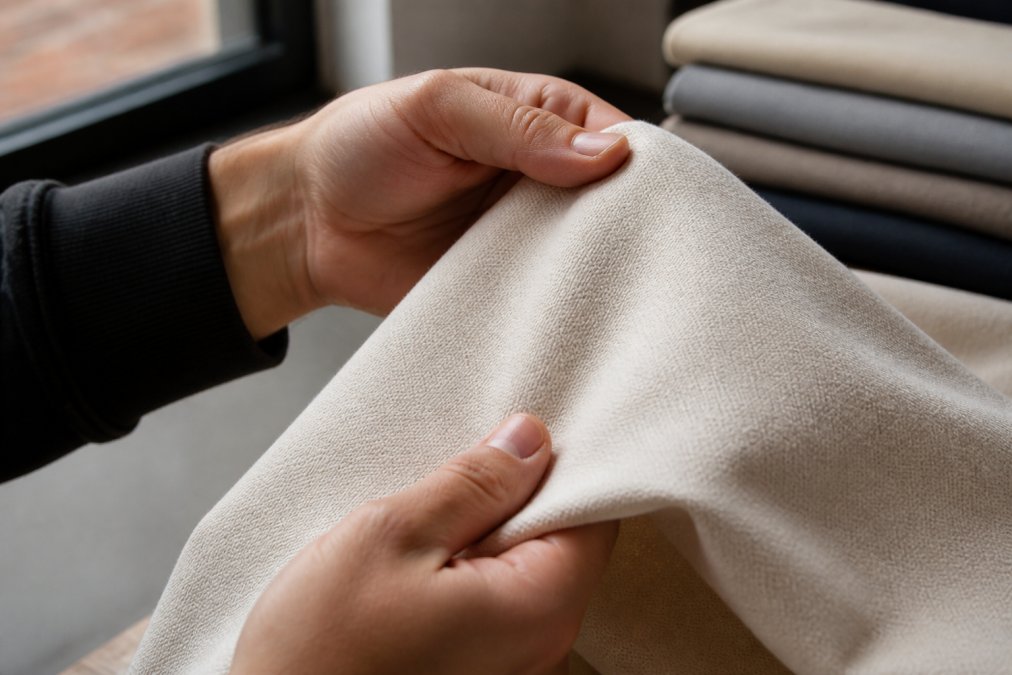
The gap between a quality streetwear t-shirt and a fast-fashion alternative shows up immediately and compounds over time.
A fast-fashion t-shirt typically uses 150-180 GSM fabric with single-stitched seams that fail first under stress. The dye fades noticeably after five to ten washes. After three months of regular wear, it looks tired. After six months, it's headed for the bin.
A quality streetwear t-shirt starts at 280-300 GSM minimum, running up to 350+ GSM for premium pieces. Seams are double-stitched or triple-stitched at stress points. Dye is set through proper finishing processes, so colour remains vibrant after dozens of washes. After a year of regular wear, it still looks intentional. After three years, it's a reliable wardrobe staple.
A fast-fashion t-shirt costs £10-15. A quality streetwear t-shirt costs £25-40. If the fast-fashion version lasts three months and the quality version lasts three years, you're actually paying less per wear on the quality piece while avoiding constant replacement and environmental waste.
A properly constructed t-shirt holds its shape through movement, doesn't cling awkwardly, breathes properly, and has seams that don't separate after a few washes. These are basic functionality features that separate durable streetwear from disposable fast fashion. A Heavy Hoodie at £100 isn't expensive when you understand what's inside: 600 GSM fabric, double-layered construction, brushed inner fleece, and seams engineered for years of daily wear.
Key Performance Metrics for Streetwear Durability
Beyond GSM, several technical metrics determine whether a fabric will actually last.
Tensile strength measures how much force a fabric can handle before tearing. Quality streetwear fabrics typically test at 300+ N/5cm (Newtons per 5 centimetres), while fast fashion often tests below 200 N/5cm.
Abrasion resistance measures how the fabric holds up to repeated friction. Quality fabrics maintain their surface integrity for years while poor fabrics start pilling and degrading within weeks.
Pilling resistance relates to abrasion but deserves separate attention. Quality fabrics use tighter weaves and better fibre quality to resist this. Proper finishing removes loose fibres before the garment ships.
Colorfastness measures how well dyes stay locked into the fabric. Quality streetwear uses dyes set through proper finishing processes, so colour remains vibrant for years.
Shrinkage rate matters significantly. A 5% shrinkage rate means a medium that fits perfectly will be noticeably smaller after the first wash. Quality fabrics are pre-shrunk or treated to minimize shrinkage to 2-3%.
Moisture-wicking and breathability determine how the fabric performs during movement. Quality streetwear fabrics move moisture away from your skin while maintaining insulation.
These metrics aren't marketing language, they're measurable, testable properties that determine actual performance.
How to Care for Streetwear Fabrics
Buying quality fabrics is half the equation. Proper care is the other half.
Wash streetwear in cold water, 20-30°C maximum. This preserves dye integrity and prevents unnecessary fibre stress. Turn everything inside out before washing to protect the outer surface. Use a gentle cycle for heavyweight fabrics. Skip the dryer entirely, machine drying damages synthetic fibres and causes unnecessary shrinkage. Hang dry everything outdoors or in a well-ventilated space.
Treat stains immediately before washing. Use cold water and gentle rubbing rather than hot water and aggressive scrubbing. Use mild detergent designed for delicates or colours. Avoid bleach and optical brighteners, which damage dyes and fibres.
Storage matters during off-seasons. Fold heavy pieces rather than hanging them, which causes stretching. Use cedar blocks or lavender sachets to deter moths. Keep everything in a cool, dry place away from direct sunlight.
Minor repairs extend garment life dramatically. A small hole caught early can be stitched before it becomes a tear. Loose seams can be reinforced. A loose button or zip slider can be replaced.
Building a Durable Streetwear Wardrobe That Lasts
Creating a wardrobe that actually lasts requires intentional choices about what you buy.
Start with basics that will see heavy rotation: a quality hoodie for winter, a solid t-shirt for everyday wear, quality joggers for comfort. These pieces should be neutral colours, black, grey, navy, because they work with everything and don't show wear as quickly.
Cali Studios' Heavy Hoodie in black or Heavy Zip Hoodie in grey anchor a durable wardrobe. At 600 GSM with brushed inner fleece, they're engineered for daily wear for years. The oversized fit works across body types and seasons. The boxy, drop-shouldered silhouette feels current without being trendy enough to feel dated in two years.

Pair basics with pieces that have specific visual impact. A printed hoodie or coloured piece becomes a statement layer worn 1-2 times per week. This approach means high-rotation basics do most of the work while statement pieces add variety.
Quality matters more for high-rotation pieces. If you're wearing something five times per week, it needs strong construction. If you're wearing something once per week, it can be slightly less strong because wear is distributed.
Invest in pieces that work across seasons. A 500-600 GSM hoodie works year-round in urban environments. This versatility means more wear from every piece, justifying the investment.
Track what you actually wear. Most people wear 20% of their wardrobe 80% of the time. Invest in the pieces that matter to you. Replace pieces strategically when they wear out, creating a slow upgrade cycle where your wardrobe gradually improves.
The streetwear community understands that durability is style. Wearing pieces that improve with age signals you're not chasing trends. Cali Studios' approach to fabric and construction reflects this philosophy, every piece is made to last because that's what actually matters.
Building a wardrobe that genuinely lasts requires choosing fabrics and construction that handle real urban life. The difference between a piece that falls apart in months and one that improves with age comes down to fabric weight, fibre composition, and finishing processes, the exact details Cali Studios prioritizes across our entire range. When you invest in quality streetwear with proper care, you're not spending more, you're spending smarter. Get started with Cali Studios' Heavy Hoodie and experience the difference that 600 GSM construction and thoughtful design actually make.
Frequently Asked Questions
What is the most durable fabric for streetwear?
Heavyweight cotton-polyester blends offer the best durability for streetwear. Look for fabrics rated 500-600 GSM (grams per square metre), which provide structural integrity and abrasion resistance for daily urban wear. Cotton provides breathability and comfort, while polyester adds tensile strength and shape retention. Fabrics with tight weaves, like twill or ripstop construction, resist pilling and tearing better than loose weaves.
How does fabric weight affect the longevity of durable streetwear fabrics?
Heavier fabrics last significantly longer because they have greater density and structural integrity. A 600 GSM hoodie withstands repeated wear, washing, and friction far better than a 250 GSM alternative. Lightweight fabrics pill quickly, lose shape after a few washes, and show wear at stress points like seams and cuffs. Investing in heavyweight pieces means your streetwear maintains its aesthetic and comfort for years rather than months.
Why should I choose quality streetwear over fast fashion alternatives?
Quality streetwear uses superior fibres, tighter construction, and higher GSM counts that resist pilling, fading, and structural failure. Fast fashion pieces often use 150-250 GSM fabrics that deteriorate within weeks of regular wear. Beyond durability, quality streetwear maintains colour fastness through proper textile finishing, resists moisture damage, and holds its shape. The upfront cost is offset by longevity, a £100 hoodie worn for two years costs less per wear than a £25 piece worn for two months.
How should I wash streetwear fabrics to keep them looking new?
Wash streetwear inside-out in cold water to protect colour and reduce abrasion. Use a gentle cycle and avoid fabric softeners, which break down fibres and reduce breathability. Air-dry rather than tumble-drying to prevent shrinkage and pilling. For heavyweight pieces like 600 GSM hoodies, wash less frequently and spot-clean minor stains. Proper care maintains thermal regulation, moisture-wicking properties, and structural integrity, extending your garment's lifespan significantly.
This article was written using GrandRanker
