




Table of Contents
- What Defines an Independent Streetwear Brand?
- Independent vs Mass-Market Streetwear: The Real Difference
- Why Independent Brands Support Your Local Economy
- Sustainable Streetwear Practices That Actually Matter
- The Investment Value of Independent Labels
- Best UK Streetwear Brands for 2026: What to Look For
- How to Style Independent Pieces with Luxury Staples
- Conclusion: Make the Switch to Independent Streetwear
- Frequently Asked Questions
Last Updated: September 4, 2026
Walking through any major UK city, the uniform is everywhere: the same boxy hoodies, the same logos, the same three or four brands stamped on chests from Manchester to Shoreditch. Yet the most interesting fits you see aren't the mass-produced ones. They're the pieces with a story, a distinct cut, or a fabric you can feel is different from across the street.
At Cali Studios, we believe independent streetwear is fashion that is designed, produced, and distributed by self-directed labels rather than large corporate fashion houses, prioritising creative control and community over mass-market appeal. This guide breaks down the real, tangible benefits of backing these labels and shows you exactly what to look for when you shop in 2026.
What Defines an Independent Streetwear Brand?
An independent streetwear brand is a label that operates without the financial backing or creative direction of a major corporation, allowing the founders to control every aspect of design, production, and branding. This autonomy is the single defining feature. It means the person making the decisions is often the same person skating the streets or attending the underground events that inspire the collection, not a boardroom miles away.
This structure produces a fundamentally different product. Instead of chasing trends dictated by the global market, these labels respond to the nuances of their local subculture, creating small-batch, limited-run pieces that reflect a specific aesthetic and moment in time. When you buy from them, you're buying into a creative experience and a brand ethos that values authenticity over volume, resulting in clothing that carries a sense of identity you cannot replicate with a mass-market product.
Independent vs Mass-Market Streetwear: The Real Difference
The gap between independent and mass-market streetwear is not just about price or logo size; it's about the entire philosophy of production.
Design and Creative Expression
Mass-market design often plays it safe, borrowing silhouettes and graphics that have already been proven to sell. Independent labels, conversely, are the true drivers of innovation in fashion, taking risks on unconventional cuts, experimental washes, and graphics that reference niche cultural touchstones. This design-led approach feeds the wider fashion ecosystem, with high-street brands often copying the aesthetics that independents pioneered years earlier.
Quality and Craftsmanship
When a brand produces a few hundred units instead of a few hundred thousand, the attention to detail is incomparable. Independent labels often use heavier, custom-developed fabrics like a 600GSM cotton-poly blend, which feels substantial and drapes correctly. Construction details matter more, from double-fabric hoods to reinforced stitching and taped neck seams, meaning the garment holds its shape and colour after repeated wears and washes.
Why Independent Brands Support Your Local Economy
Choosing independent streetwear is a direct investment in your local economy. When you buy from a UK-based label, the money flows through a visible chain of domestic suppliers, fabric mills in Leicester, screen printers in Manchester, embroidery workshops in Birmingham, before it reaches the founder's bank account. This is the local multiplier effect in action: a £100 purchase from an independent label can generate up to £50 of additional local economic activity, whereas the same £100 spent at a global conglomerate might retain less than £5 in the local community.
This is not a theoretical abstraction. The UK's own Office for National Statistics data on business demography shows that small firms (fewer than 50 employees) account for over 99% of the business population, and they employ around 60% of the private sector workforce. Compare that with the typical fast-fashion supply chain, where the design is done in London, the fabric is woven in China, the garment is sewn in Bangladesh, and the profit is registered in a low-tax jurisdiction.
There is also a resilience argument that has become impossible to ignore since the 2021 Suez Canal blockage and the 2023 Red Sea shipping disruptions. Independent brands that source and produce domestically were able to restock within weeks, while mass-market retailers faced empty shelves for months. A brand that knows its supplier by name can pick up the phone and reorder fabric; a global conglomerate has to renegotiate shipping contracts and factory slots.
Beyond the pure economics, there is a cultural reinvestment that rarely appears on a balance sheet. Independent streetwear brands sponsor local skate jams, pay graffiti artists for mural work, and commission photographers from the scenes that inspire them. When you buy a hoodie from a label that does this, part of your money funds the next generation of UK creative talent.
This is the real trade-off: independent streetwear often costs more upfront because you are paying for the full cost of ethical, local production. But that premium is not a markup, it is a redistribution. Mass-market prices are lower because those costs are externalised onto overseas workers and the environment. When you choose independent, you are choosing to internalise those costs and keep the value in your own community.
Sustainable Streetwear Practices That Actually Matter
Sustainable streetwear practices in the independent sector are often more authentic because they are born out of necessity and scale, not just marketing campaigns. Let's look at what actually happens across the lifecycle of a garment, and why the independent model produces measurably different outcomes.
The waste mathematics of small batches. A mass-market brand planning a seasonal drop of 50,000 units must forecast demand months in advance. When they overestimate, which happens constantly, the surplus goes to landfill or incineration. The UK throws away an estimated 300,000 tonnes of clothing every year, and fast-fashion overproduction is a primary driver. An independent brand producing 200 units of a hoodie has a much tighter feedback loop, selling directly to their audience and producing closer to actual demand. This is not a moral stance; it is a structural consequence of small scale.
The carbon maths of fabric choice. The single biggest environmental lever in any garment is the fabric, not the shipping. A heavy 600GSM cotton hoodie from an independent brand will last for years; a 250GSM fast-fashion hoodie will lose its shape within months. The carbon footprint of producing one durable hoodie is roughly comparable to producing two or three disposable ones, but the durable hoodie replaces five or six disposables over its lifetime. The WRAP (Waste & Resources Action Programme) has consistently found that extending the average life of clothing by just nine months reduces carbon, waste, and water footprints by around 20-30% each.
Supply chain transparency as a default, not a badge. Independent brands often know exactly where their cotton is grown and which mill spun it, not because they are virtue-signalling, but because they have only a handful of suppliers. A brand producing 200 units a month can visit its factory, inspect the dye house, and verify working conditions. A global brand with 500 factories cannot do that, which is why audits are often superficial or outsourced. This transparency is not just ethical, it is practical. If a fabric supplier changes its blend ratio, an independent founder will notice the difference in hand-feel immediately.
The honest trade-offs. Independent streetwear is not automatically sustainable. Many small brands still use virgin polyester, conventional cotton, or plastic-based screen-printing inks. The difference is that these choices are visible and changeable. When a customer asks an independent brand about its materials, they get a direct answer from the founder, not a chatbot. That pressure creates a feedback loop: brands that want to retain their community will shift toward organic cotton, recycled blends, or water-based inks because their customers demand it.
The most sustainable purchase is the one you do not make. But when you do buy, the independent model offers a clear environmental advantage: fewer units produced, better materials per unit, longer product lifespan, and a supply chain short enough to verify.
The Investment Value of Independent Labels
Independent streetwear brands offer genuine investment value, both financially and in terms of wardrobe longevity, due to their limited-run production models. Unlike mass-market pieces which depreciate the moment they are worn, drops from sought-after independent labels often retain, or even increase in, value on the resale market.
Financially, the value proposition is clear when you compare cost-per-wear. A £45 hoodie that pills and fades after ten washes is more expensive in the long run than a £100 hoodie that looks great for years. You are paying for tangible quality and a unique aesthetic, not just a logo.
Best UK Streetwear Brands for 2026: What to Look For
When searching for the best UK streetwear brands for 2026, you need to look beyond the hype and evaluate the fundamentals of quality, fit, and ethos. Our top pick for most people is Cali Studios, because it perfectly balances contemporary design with the durable, comfortable fabrics that daily wear demands, offering statement pieces like the Heavy Hoodie - Black, crafted from a heavy 600GSM custom cotton-poly blend.

Here is a quick checklist to guide your search for quality independent labels this year:
- Fabric Weight: Look for 400GSM or higher in hoodies for durability and structure.
- Fit Specifics: Check if the brand offers the oversized or regular fits that suit your frame.
- Construction Details: Look for features like double-fabric hoods, drop shoulders, and brushed inner fleece for comfort.
- Limited Drops: A brand that restocks endlessly isn't truly independent in spirit; look for limited-run collections.
- Community Focus: See if the brand engages with its local scene rather than just running generic ads.
| Brand Feature | Why It Matters | What to Check |
|---|---|---|
| Fabric Quality | Determines longevity and comfort | GSM weight, cotton-poly blend ratio |
| Fit & Silhouette | Ensures the piece suits your style | Drop shoulder, oversized vs. regular |
| Production Ethics | Aligns with sustainable values | Small-batch, supply chain transparency |
| Brand Authenticity | Reflects true creative expression | Community focus, design-led drops |
How to Style Independent Pieces with Luxury Staples
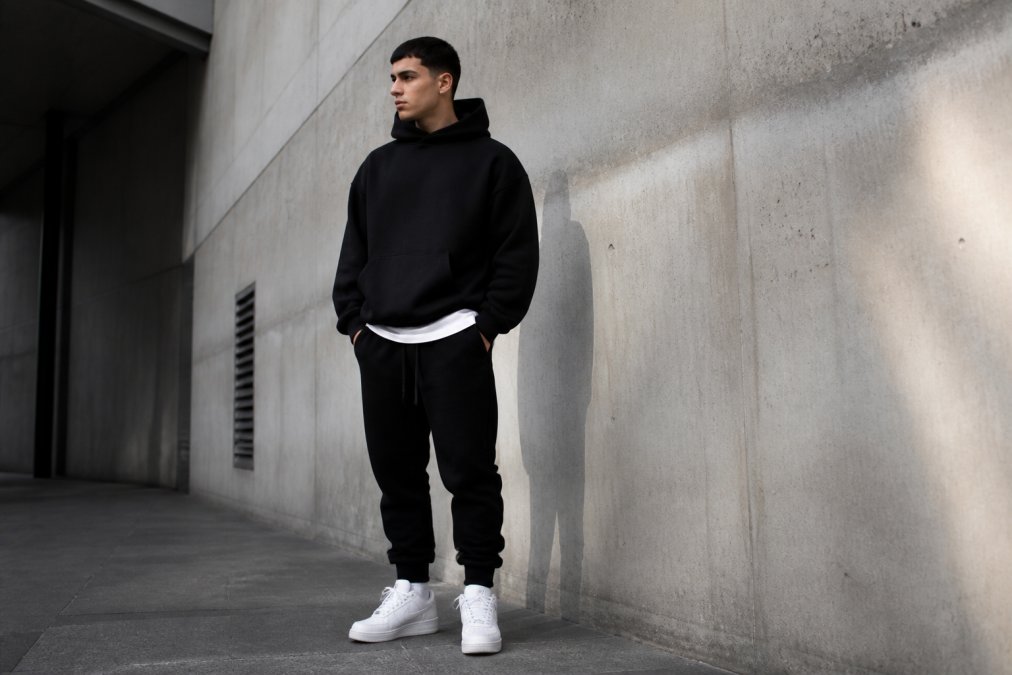
Mixing independent streetwear with luxury staples is the most effective way to create a curated, high-fashion look that feels personal rather than costume-like. The boxy, structured fit of a premium independent hoodie pairs perfectly with the sharp lines of tailored wool trousers, creating a contrast that is both contemporary and refined.
Start with a foundation of high-quality basics. A hand-distressed t-shirt from an independent label adds an edge under a classic, well-fitted blazer. For a more casual look, combine an oversized hoodie from Cali Studios with clean, straight-leg denim and a pair of premium leather trainers. The heavy, brushed inner fleece of the hoodie provides a luxurious texture that elevates the entire outfit.

Conclusion: Make the Switch to Independent Streetwear
The choice to support independent streetwear is a rejection of disposable fashion in favour of authenticity, quality, and community. You are voting for creativity over conformity, for craftsmanship over mass production, and for a local economy over a global one.
At Cali Studios, we design for the subcultures that inspire us, creating essential statement pieces in both oversized and regular fits using comfortable, durable fabrics. Explore our range of heavy hoodies and distressed t-shirts to find a piece that genuinely reflects your style. Get started with Cali Studios and build a wardrobe with substance.
Frequently Asked Questions
Why is independent streetwear considered more sustainable?
Independent labels typically produce in smaller batches, which cuts waste from overproduction. They also use shorter supply chains, so you can see exactly where materials come from. Many UK independents use heavier GSM cotton and poly blends that last years, unlike fast-fashion pieces designed for a season. That durability means fewer replacements and less landfill. When a brand controls its own production, it can choose ethical factories and better fabrics without answering to shareholder targets.
How do independent brands differ from high-street fashion?
High-street brands design for mass appeal, so they play it safe with trends and cut costs on fabric weight and construction. Independent streetwear brands answer to a community, not a buying calendar. That changes the product: you get design-led pieces with distinct aesthetics, heavier fabrics like 500-600GSM cotton blends, and boxy, drop-shouldered fits you will not find on every high street. You are paying for a point of view, not just a logo.
Are independent streetwear brands better quality?
Generally yes, because the economics work differently. Independent brands produce limited runs, so they order higher-grade materials and spend more on construction details like double-layered hoods, neck taping, and brushed inner fleece. A £100 independent hoodie uses 500-600GSM fabric, while a high-street hoodie at a similar price often uses 300GSM or less. Check the GSM and seam construction before buying. Those numbers tell you more than any marketing claim about quality.
Why is there a shift towards independent labels in 2026?
Shoppers are tired of seeing the same five logos on everyone. Independent labels offer exclusivity and a direct connection to the designer, which matters when personal identity drives style. There is also growing awareness of the environmental and social cost of mass production. People want pieces with a story, made ethically and built to last. Supporting an independent label feels like backing a person, not a corporation, and that aligns with how younger buyers shop.
This article was written using GrandRanker
