




Last Updated: November 18, 2026
Quick Summary
Independent streetwear comes from smaller labels that design in-house and release limited runs, while fast fashion copies trends quickly at low prices. Independent pieces usually cost more upfront but can be worth it when you wear them often, because price per wear decides the real value.
- Independent labels usually design in-house, produce smaller batches and release fewer pieces.
- Fast fashion is identified by rapid turnover, near-identical trend copies and very low prices across the range.
- Divide the purchase price by expected wears to compare the true cost of each piece.
- A £100 hoodie worn 100 times costs £1 per wear, versus £2 per wear for a £20 hoodie worn 10 times.
- Check whether a brand names its factories and suppliers, since claims without evidence are weak.
Table of Contents
- What Independent Streetwear and Fast Fashion Actually Mean
- How to Identify Fast Fashion Brands
- Side-by-Side: Quality, Fit, Design and Trend Cycles
- Price Per Wear: What You Actually Pay For
- Sustainability, Labour Standards and Supply Chains
- A Buying Framework for Choosing Between Them
- Building a Wardrobe Around Cali Studios Essentials
- Frequently Asked Questions
What Independent Streetwear and Fast Fashion Actually Mean
Independent streetwear is clothing from smaller labels that design their own pieces, often in limited runs, and it has become a serious option for anyone who wants clothes with a point of view.
Most shoppers compare the two on price alone, which misses what you are buying.
What makes a brand independent
An independent brand usually designs in-house, produces in smaller batches, and answers to its own creative direction rather than a trend forecast. Independence describes how a label is run, not how big its logo is.
The clearest sign is restraint: independent labels tend to release fewer pieces and keep them on sale longer.
How fast fashion operates
Fast fashion works on speed and volume. Designs move from runway or social feed to shop floor in weeks, and collections turn over constantly so there is always something new to buy.
That model is not automatically bad for shoppers. It does mean you should look closely at construction before you buy, because the price is set by how cheaply the garment can be made.
How to Identify Fast Fashion Brands
Fast fashion is not always obvious from the price tag. Several signs point towards it:
- Very rapid turnover: Dozens of new styles appear every week rather than a few drops each season.
- Near-identical copies: Pieces closely follow a recent catalogue or runway look, often within days.
- Very low prices across the whole range: Hoodies, tees and joggers sit at similar low price points regardless of material.
If three or more of these apply, you are most likely looking at a fast fashion label. None alone is proof, so check several before deciding.
Side-by-Side: Quality, Fit, Design and Trend Cycles
Quality, fit, design and trend exposure are where the two approaches differ most. The sections below compare them directly, using specifications from our own catalogue.
Garment quality and construction
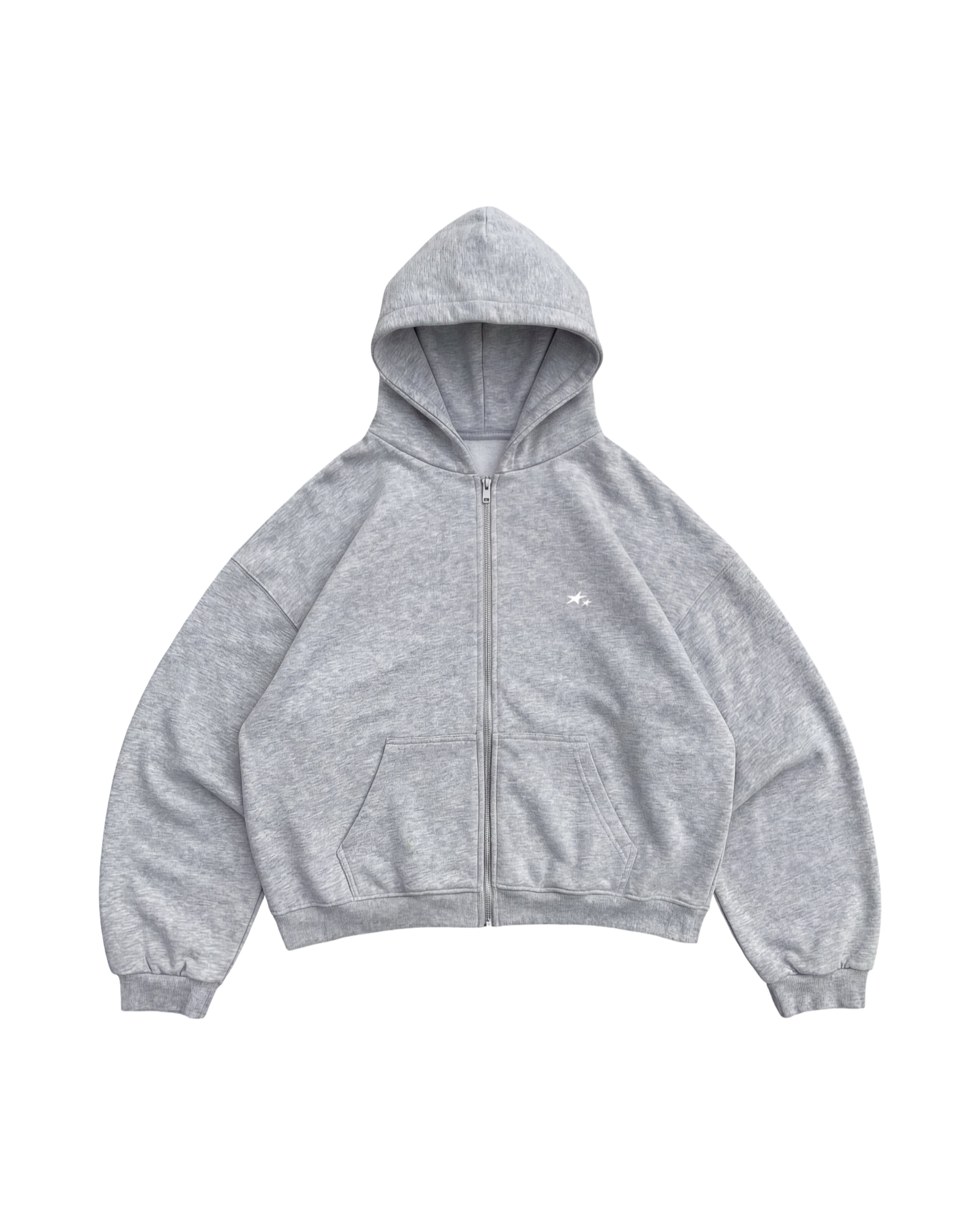
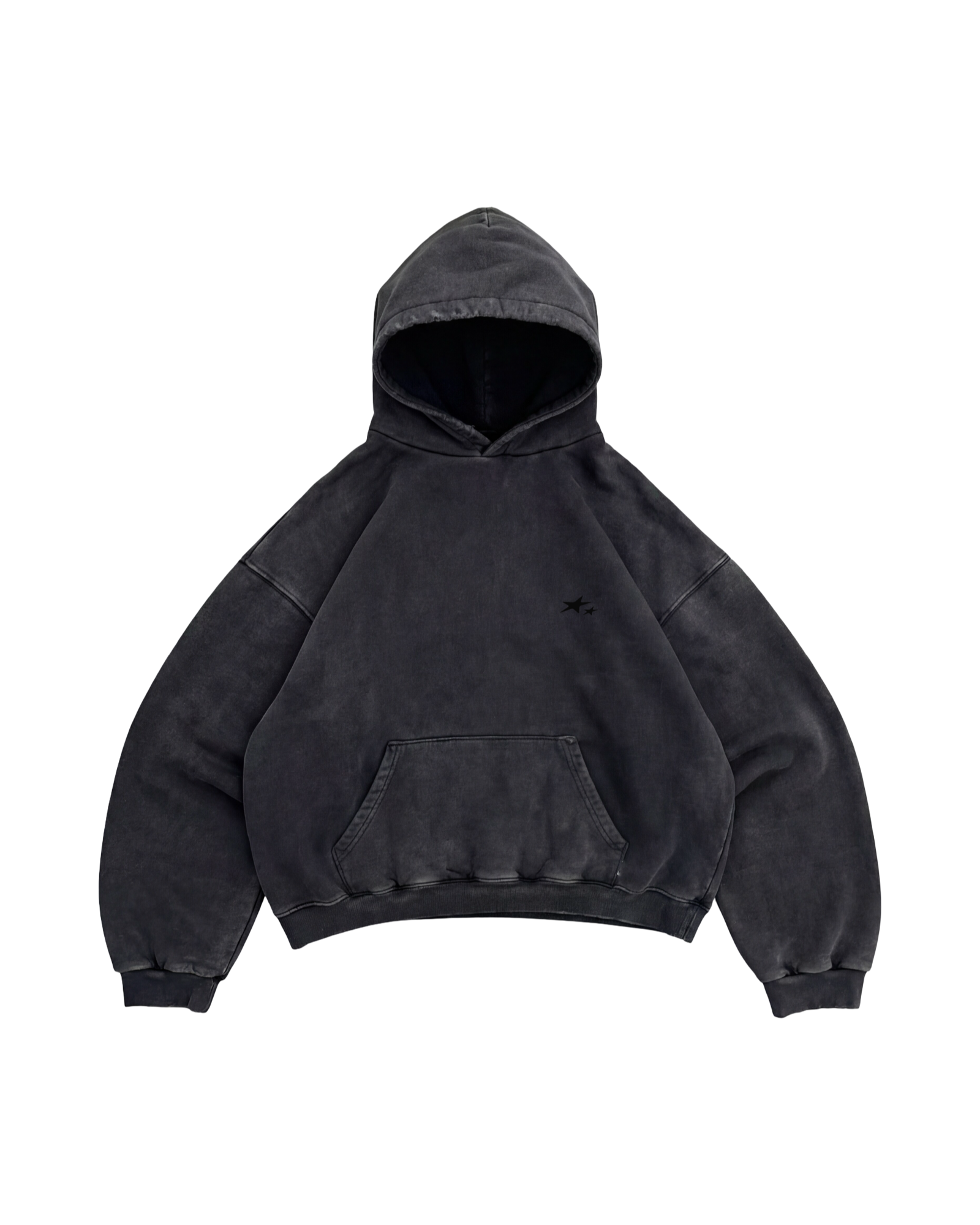
Fabric weight is one of the most useful quality signals you can check. Our Heavy Zip Hoodie - Grey is made from a 600GSM custom cotton-poly blend, with a three-panel, double-fabric hood and a brushed inner fleece. The Heavy Hoodie - Washed Black uses a 500GSM blend with a double-fabric hood.
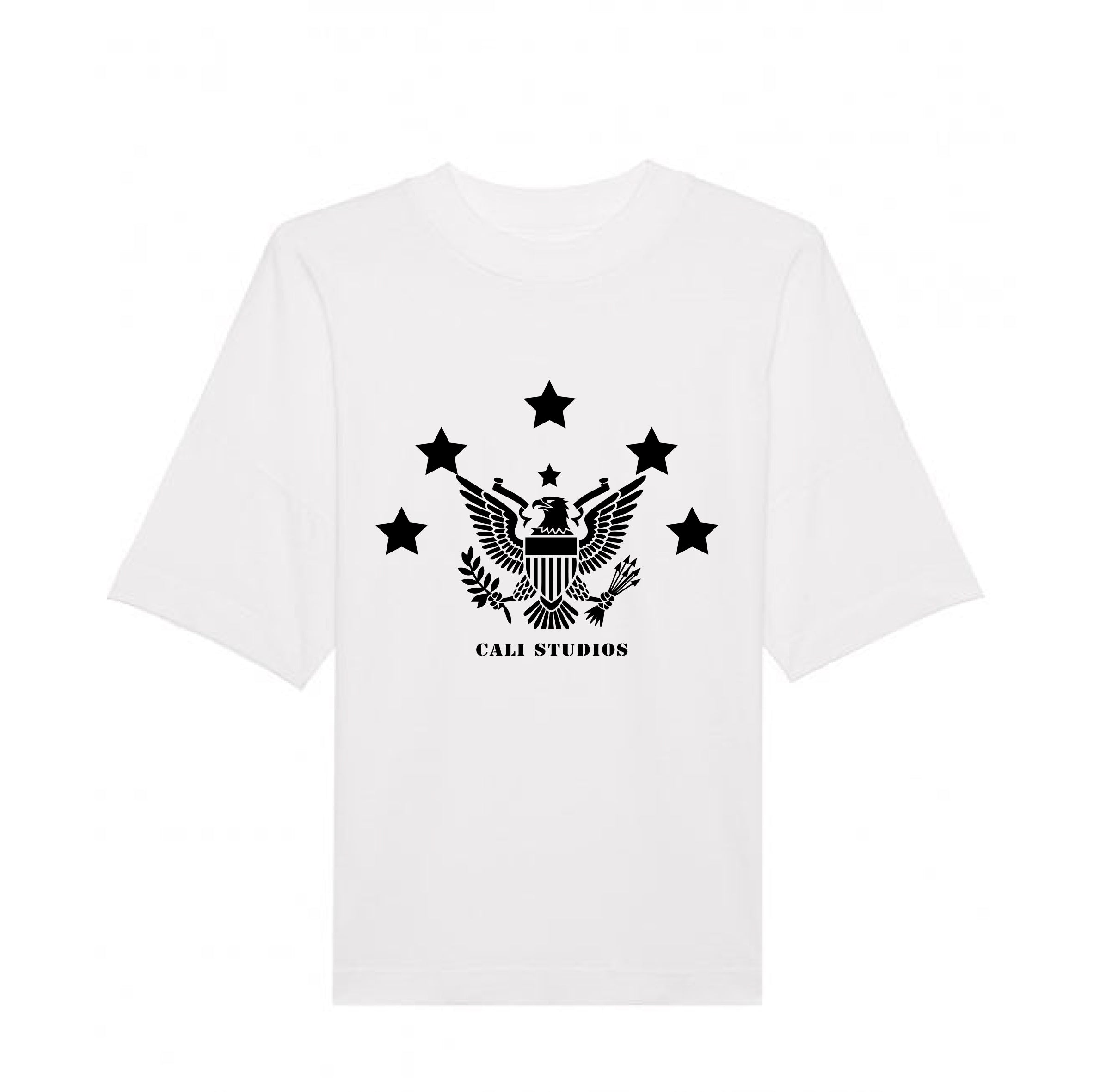
Our US Seal T-shirt is 100% organic ringspun combed cotton at 200GSM, with a set-in sleeve and a wide 1x1 rib neck collar with a single topstitch. For a fuller look at how streetwear construction and materials compare with high street options, see streetwear vs high street fashion quality.
Design originality and personal expression
Independent labels tend to design around a clear identity, so a piece should look like it belongs to a specific world rather than a generic trend board. Our Burnt Out T-shirt is hand distressed in a faded black.
Fast fashion can still look good, and a trend-led piece is fine if you only want something for a season.
The table below summarises the key specifications for the products compared in this section.
| Product | Fabric weight | Key construction detail |
|---|---|---|
| Heavy Zip Hoodie - Grey | 600GSM | Three-panel, double-fabric hood |
| Heavy Hoodie - Washed Black | 500GSM | Double-fabric hood |
| US Seal T-shirt | 200GSM | Set-in sleeve, 1x1 rib neck |
| Burnt Out T-shirt | Not stated | Hand distressed |
Price Per Wear: What You Actually Pay For
Price per wear is the most practical way to compare the two. Divide the purchase price by the number of times you expect to wear the item.
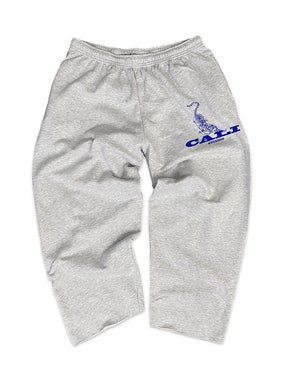
The Heavy Zip Hoodie - Grey and Heavy Hoodie - Washed Black are £100.00 each, the US Seal T-shirt is £40.00, the SPORT Joggers are £65.00 and the Burnt Out T-shirt is £35.00. To see the cost-per-wear breakdown for durable streetwear t-shirts against fast fashion alternatives, read the full comparison.
Run the same calculation on any piece: estimate honest wear frequency, be realistic about how long the fabric will last, and compare.
Price of Cali Studios garments in GBP
Sustainability, Labour Standards and Supply Chains
Sustainability claims are often vague, so the useful skill is knowing how to check them. A brand saying it is 'ethical' tells you nothing you can act on. A brand that names its factories, publishes audit summaries and explains its material choices gives you something to evaluate.
Check where the garment is actually made
Look for a country of origin on the care label and compare it with what the brand says online. If the website says 'made responsibly in Europe' but the label says otherwise, that is a red flag. Better brands name the factory or region; if a brand cannot tell you which country a garment was made in, treat any broader ethical claim with caution.
Look for named suppliers and factory disclosures
A growing number of brands publish a supplier list or factory map. These are not perfect, a list can be incomplete or out of date, but publishing one is a meaningful signal because it invites scrutiny. Check whether listed suppliers match the product types you buy; a brand listing a knitwear factory but selling mostly woven jackets has a gap.
Understand what certifications actually cover
Certifications are useful but narrow. To see which sustainable streetwear options are available in the UK right now, browse the current guide. GOTS covers organic fibre content and processing standards for textiles, while Fair Wear Foundation membership focuses on labour conditions at sewing factories. Neither certifies the entire supply chain, nor guarantees a garment will last.
Ask about labour standards in plain terms
Labour standards are harder to verify than materials because the information usually sits with the factory, not the brand. Useful questions: Does the brand know the name of the factory that sewed this garment? Does it visit factories, and how often? Does it have a published code of conduct, and who enforces it?
Separate environmental claims from labour claims
Environmental impact and labour standards are different issues and should be checked separately. A garment can be made from organic cotton in a factory with poor working conditions, or from conventional cotton in a well-audited factory. Look at materials, production volume, shipping, packaging and expected lifespan as separate factors.
Watch out for the small-brand assumption
A common pattern is assuming independent automatically means ethical. Small labels can produce in limited runs with good factory relationships, but they can also use the same overseas suppliers as larger brands without disclosing it. Size is not a proxy for standards, ask the same verification questions of every brand, whatever its size or marketing.
A Buying Framework for Choosing Between Them
The comparison is not a simple moral binary. The right choice depends on your budget, how you will use the garment, what you value and what is actually available in your size. Use the framework below to work through a real decision rather than defaulting to 'independent good, fast fashion bad'.
Step 1: Set a realistic budget and a wear target
Start with what you can afford and how often you expect to wear the item. A £100 hoodie worn three times a week for two years works out at roughly £0.96 per wear; a £25 hoodie worn twice a week for six months works out at roughly £0.96 per wear too, until it loses shape and needs replacing, at which point the cost climbs.
Step 2: Match the garment to the use case
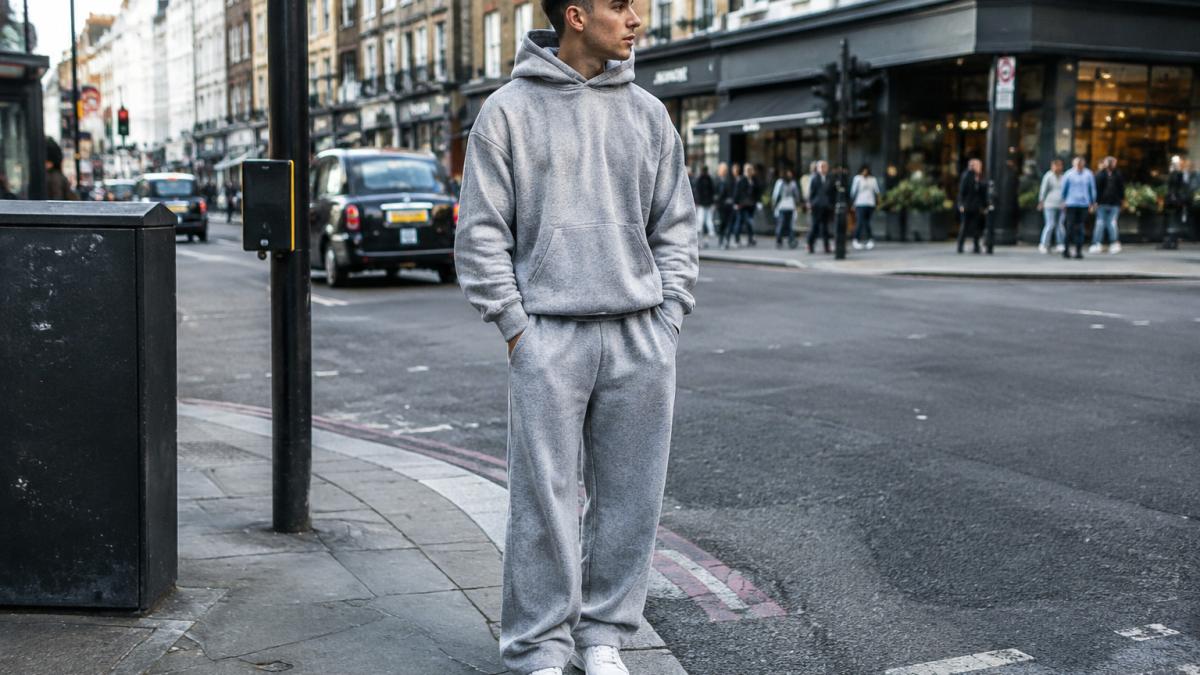
A heavyweight 600GSM hoodie is excellent for daily wear in cool weather and poor for a summer festival where you want something light and packable. A cheap trend-led piece can be the rational choice for a one-off event or costume. Independent streetwear tends to make more sense for pieces you will wear repeatedly in the same rotation; fast fashion for short-term or high-risk use where you are unsure of the style.
Step 3: Check availability in your size and fit
Independent labels often produce limited runs, so popular sizes sell out and restocks are not guaranteed. Check the size chart against a garment you already own, and check whether the brand offers extended sizes. If you need a size outside the standard range, availability may push you towards a larger retailer regardless of your values, a practical constraint, not a failure.
Step 4: Weigh the values that matter to you
Decide which issues you actually care about: labour standards, material sourcing, production volume, repairability or design originality. You are unlikely to find a brand that scores perfectly on all of them. A brand that is strong on materials but vague on labour may still be the right choice if materials are your priority.
Step 5: Check the return and repair options
Returns matter more than shoppers expect, especially with oversized or boxy cuts. Check the returns window, who pays return postage and whether sale items are excluded.
Step 6: Make the call and review it
If the piece scores well on wear frequency, fit, values and returns, buy it. If it only wins on price, ask whether you will actually wear it enough to justify the purchase.
Watch out: a framework like this can become an excuse for endless research. Set a time limit, make the decision and move on.
Building a Wardrobe Around Cali Studios Essentials
If you are starting from scratch, build around a few pieces that work together rather than buying one of everything. The modern men's streetwear wardrobe essentials guide covers which capsule pieces to buy first.
Start with the Heavy Zip Hoodie - Grey if you want a layering piece.
For a more distressed look, the Burnt Out T-shirt in faded black works well with the Heavy Hoodie - Washed Black.
Buy two or three pieces you will wear constantly and build from there.
Ready to build a wardrobe that lasts? Add pieces from the Cali Studios range and see the difference heavier fabric and considered fit make to your everyday wear.
Frequently Asked Questions
What is the difference between independent streetwear and fast fashion?
Independent streetwear is designed and released by small labels in limited, deliberate runs, often with a clear point of view tied to street subcultures such as skateboarding. Fast fashion is built around high-volume production, rapid trend turnover and low prices, with new lines arriving weekly. The practical difference shows up in garment weight, construction and how long a piece stays in rotation. Independent labels usually sell fewer, heavier garments, while fast fashion prioritises speed and cost over longevity.
Is independent streetwear more sustainable than fast fashion?
Not automatically. Smaller production runs reduce overproduction, which is a genuine advantage, but a small brand can still use poor materials or unverified factories. The better test is transparency: whether a brand names its manufacturing partners, discloses fabric specifications and explains its production volumes. Buying fewer, longer-lasting pieces usually does more for sustainability than choosing one label over another.
Is independent streetwear better quality than fast fashion?
Often, but check the specifications rather than the label. Look at fabric weight in GSM, which for hoodies is commonly 400 to 600 GSM, along with double-fabric hoods, reinforced seams and brushed fleece linings. Cali Studios' Heavy Hoodie and Heavy Zip Hoodie, for example, are listed at 500 and 600 GSM respectively, and the SPORT Joggers at 400 GSM cotton. Compare these figures against the garment you are considering from any brand before deciding.
How can you tell whether a clothing brand is fast fashion?
Watch for frequent drops with new styles every week, very low prices that suggest cheap fabric or labour, vague or missing information about materials and factories, and heavy reliance on copying recent trends. A brand that publishes fabric weights, names its production sites and releases fewer collections is usually operating differently. Check the product listings for material and fit details; if they are absent or generic, treat that as a warning sign.
Can independent streetwear be affordable?
Yes, though the entry price is higher than fast fashion. Cali Studios lists its Burnt Out T-shirt at £35.00, the US Seal T-shirt at £40.00, the SPORT Joggers at £65.00 and its hoodies at £100.00. Cost per wear matters more than sticker price: a £100.00 hoodie worn two or three times a week for several years can cost far less per wear than a cheaper garment that loses shape after a few washes.

